More sticky than other brands
NEW SEASON. FRESH GEAR.
30-day return policy
In football, the red zone is always considered the most tense, high-pressure, and decisive area. Once inside the opponent’s 20-yard box, offensive space is compressed, defensive density increases, and the intensity of the confrontation escalates, magnifying every detail.
In this environment, many pieces of equipment that are usually overlooked suddenly become extremely important, the most typical example being football gloves.
Many people who first encounter the sport think that football gloves are just a “bonus item,” not essential. However, those who have actually played matches, especially those involved in red zone attacks, usually change their minds—
In high-intensity competition and extremely short reaction times, a stable grip often determines whether an attack results in a touchdown or a mistake. Below, we’ll comprehensively explain this topic from several aspects, including tactics, techniques, positional roles, psychological factors, and practical details.

The characteristics of the red zone can be summarized in four words: short, fast, dense, and ruthless.
In open areas, receivers often have time to adjust their hand position, make a second grip, or even use their body to catch the ball. However, in the red zone, many catches are instantaneous: catching the ball after a turn, catching it while under pressure, or catching it in a high-point contest. In these situations, the friction between the hand and the ball becomes extremely crucial, which is precisely the core value of football gloves.
In the red zone, passing tactics are typically fast, sudden, and precise, such as cutting inside, quick diagonal passes, backheel passes, and corner kicks from the far post. These tactics share a common thread: the window for receiving the ball is extremely short, leaving very little room for error.
High-quality football gloves can provide significant improvements in the following aspects:
During a training match, a friend touched the ball twice in the end zone but couldn’t control it. At halftime, he switched to a pair of better-tapered football gloves, and in the second half, he scored a touchdown using the same route. Later, during the debriefing, everyone realized that the route and the pass hadn’t changed; the difference was in the consistency of his grip.
Receiving the ball in the red zone often involves physical contact:
In this situation, bare hands are very prone to losing control due to slight deviations. The high-friction palm of football gloves can create greater contact resistance at the moment of contact, making the ball-catching action more complete.
The importance of football gloves is significantly amplified, especially when catching the ball with one hand or with a half-open hand position.
Many people only associate gloves with outside receivers, but in fact, running backs also rely heavily on them during the red zone rush phase.
Red zone drives are typically advanced by multiple players surrounding the target:
In this situation, football gloves can significantly improve ball protection stability and reduce slippage. Gloves with non-slip palms are especially important in games with sweaty hands, in rain, or in low temperatures.
Many teams require their skill players to wear gloves when using short-yard tactics in the red zone, in order to reduce the probability of mistakes.
Receiving the ball in the corner of the red zone, high lobs, and high-point contests are common sights. These actions often require:
Gloves can significantly improve the success rate in this scenario. It’s not that they “stick” the ball, but rather that they reduce slippage at the moment of initial contact, allowing the second step of the catch to be completed.
In high-level matches, you’ll find that most skilled players in the red zone are wearing well-worn football gloves, rather than the ones worn out during training.
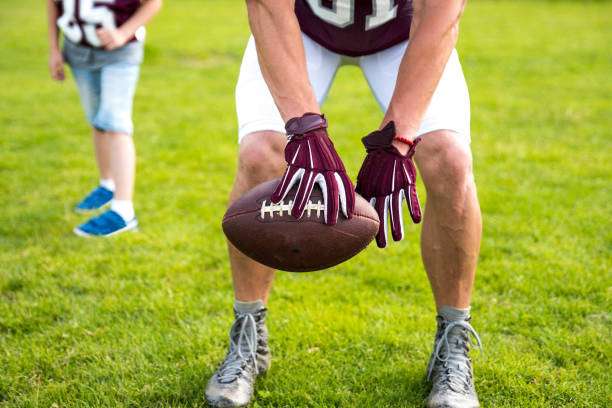
Red zone offense often uses a fast pace combined with feints, for example:
These actions all involve instantaneous handovers. Football gloves can reduce slippage errors during handovers, making the movements cleaner and crisper. The biggest fear in tempo-based tactics is “almost losing control,” because there’s no time for a second adjustment.
Many players overlook one point: equipment can affect their confidence in making decisions.
When a player trusts the grip of their glove:
Confidence directly affects the range of motion and timing of actions. In the high-pressure environment of the red zone, this sense of psychological stability is extremely important.
A teammate once said something very true: “It’s not that the football gloves helped me catch the ball, it’s that they made me dare to stretch out my hand.”
Different positions have different needs in the red zone, so the choice of football gloves should also be differentiated:
The red zone already has a low tolerance for error, and once environmental factors are added:
Football gloves have almost gone from being an “enhanced equipment” to an “essential equipment.” In many matches, especially during the red zone phase in rainy conditions, the difference in receiving success rate often comes down to whether or not appropriate football gloves are worn.
Some people worry that football gloves will affect their feel for the ball, but the key is not “whether to wear them or not”, but “whether to choose the right ones”.
Poor quality or overly thick football gloves can indeed affect the feel, but modern match-grade football gloves usually balance these factors:
Most people only need 1–2 training sessions to fully adapt.
Q1: Is it mandatory to wear football gloves when attacking in the red zone?
It’s not mandatory, but strongly recommended. Every touch in the red zone can determine the outcome, so improving grip stability is well worth it.
Q2: Is it better for gloves to be as sticky as possible?No. Excessive stickiness can hinder quick adjustments and releases; balancing grip and dexterity is more important.
Q3: Are football gloves restricted during matches?Compliant brand football gloves comply with the rules of the game and can be used normally.
Q4: How often should football gloves be replaced?With high-intensity use, they should typically be replaced after 1-2 seasons when their stickiness noticeably decreases.
Q5: Is it okay to train without gloves and only use them during the competition?It’s not recommended. You should get used to the feel of the gloves during training to avoid discomfort during the competition.
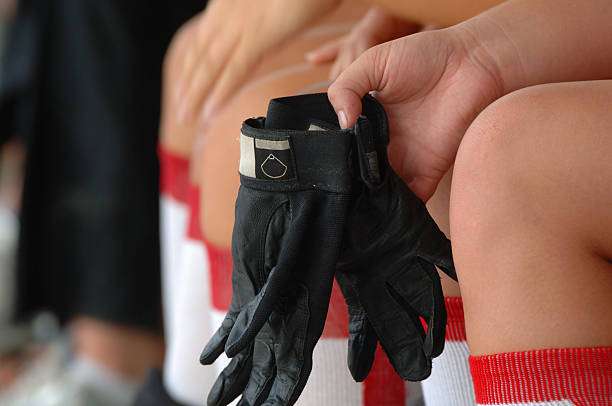
Attacking in the red zone is never about luck, but about meticulous execution. Route, rhythm, timing, and grip—every step must be flawless. Football gloves may seem like a small piece of equipment, but in key areas they can significantly improve receiving success rate, ball control stability, and confidence.
If you frequently participate in contact training or matches, especially if you are a skilled player, it is recommended that you carefully choose a pair of gloves that suit your position and environment, and fully adapt to them during training. Many crucial plays can really be made up just from this difference in grip strength.
Now, based on your position and playing style, choose a suitable pair of football gloves to truly turn red zone opportunities into scoring opportunities.

Free delivery in the US region

30 day return policy

7-24 hour response

Support PayPal and Card Payments
No account yet?
Create an Account