More sticky than other brands
NEW SEASON. FRESH GEAR.
30-day return policy
When training or playing in low-temperature environments, many players ask a very practical question:
Can football gloves keep you warm in cold weather?
The answer isn’t a simple “yes” or “no,” but rather depends on the type, material, position, and how it’s used. Many people’s understanding of football gloves is limited to “anti-slip and ball-gripping,” ignoring their varying performance under different climatic conditions.
This article will systematically explain:
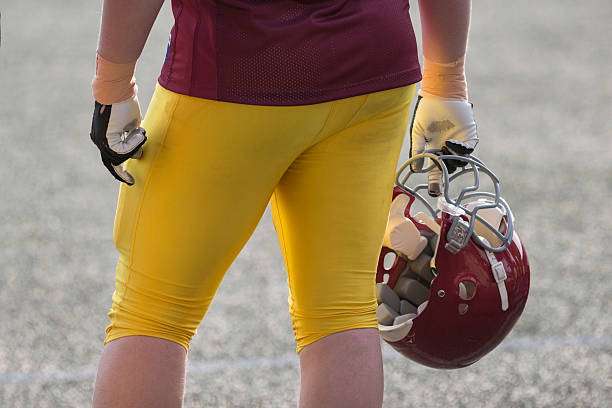
Most football gloves’ primary functions are
Insulation is just a secondary feature, not the core selling point.
The standard version offers some wind protection in slightly chilly weather, but in truly cold environments, a single layer of football gloves is usually insufficient. Only specially designed cold-weather versions prioritize insulation in their design.
The key differences stem from three structural factors:
The back of the hand determines the rate of heat loss.
Thicker fabric + multi-layered structure → better insulation;
breathable mesh fabric → faster heat dissipation.
Many speed-oriented football gloves use a lot of breathable areas to reduce weight, which naturally makes them less resistant to cold.
The cold weather version usually includes:
Standard competition models are often single-layer bonded structures.
What truly affects perceived temperature is often not “coldness” but “wind.”
Football gloves with a windproof back layer will feel significantly warmer at the same temperature.
I have a friend who plays wide receiver, and he said that the biggest problem in low-temperature games is not the cold but the stiffness of his fingers, which causes a delay in contact with the ball.
These types of football gloves typically offer better insulation.
This can be understood using a practical interval:
| Temperature Range | Recommendation |
|---|---|
| Above 15°C | Regular football gloves are perfectly adequate. |
| Between 5 and 15°C | A slightly thicker back-of-hand style is recommended. |
| Between 0 and 5°C | Football gloves for cold weather are needed, along with hand warmers. |
| Below 0°C | Football gloves alone are not practical; they must be used in conjunction with a thermal insulation system. |
If you see these designs when choosing football gloves, they are mostly more suitable for cold environments:
These designs slightly sacrifice breathability, but in return, they provide a better perceived temperature.
football gloves during winter training, and his feedback was quite interesting: “It’s not that it’s become particularly warm, but rather that my hands are no longer blown through by the wind, which greatly improves the stability of my movements.”
This is crucial—improved stability is often more important than perceived temperature.
Inside football gloves:
It has almost no impact on gripping, but it can significantly reduce heat loss.
Many players use waist-mounted hand warmers:
Increase the following in cold weather:
The best football gloves can’t replace blood circulation.
Tai Hou Hui:
The grip comes from the palm adhesive layer, and the insulation comes from the back layer structure; they are not the same system.
Many competition-grade football gloves are designed for fall conditions.
Recommended to pay attention to:
These metrics are more important than brand.
No. Football gloves prioritize flexibility and are not extreme cold protection equipment.
Thin linings generally have little impact, while thick linings will significantly reduce the feel.
football gloves with some moisture-wicking capabilities.
This is usually the case, because the structure is thicker and has more protective layers.
Required: Cold weather football gloves + lining + hand warmer combination.
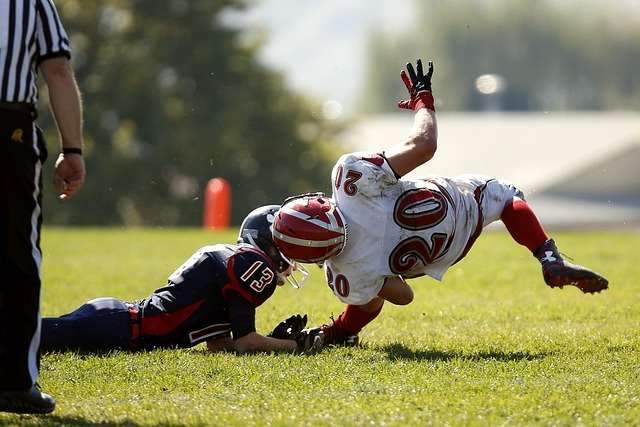
Football gloves do offer some warmth and wind protection in cold weather; their primary design purpose remains grip and control.
The truly smart approach isn’t simply to switch to thicker models but rather to create a comprehensive hand protection system for cold weather through style selection, layering, and hand-warming strategies.
If you frequently train or compete in cold environments, check your gear now: choosing football gloves with a cold-weather construction, along with thin linings and hand warmers, will significantly improve your touch consistency and performance.
Don’t wait until your fingers are frozen to regret it; upgrade your training gear in advance.

Free delivery in the US region

30 day return policy

7-24 hour response

Support PayPal and Card Payments
No account yet?
Create an Account