More sticky than other brands
NEW SEASON. FRESH GEAR.
30-day return policy
Many rugby enthusiasts encounter a common problem during training or matches: shortly after wearing football gloves, their hands begin to itch, turn red, and may even develop small rashes or slight stinging.
Some attribute it to glove quality issues, while others suspect a skin allergy.
However, this situation actually involves multiple factors, including the material, sweat, wearing method, and cleaning and maintenance.
This article will comprehensively analyze the underlying principles, common causes, real-world examples, and solutions to help you understand why this occurs and provide practical improvement plans.
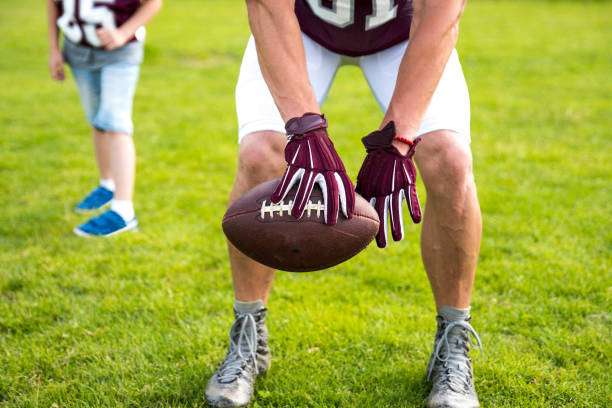
Football gloves causing itchy and red hands can be summarized as follows:
Many football gloves are made of synthetic materials such as PU, neoprene, and polyester. If your skin is sensitive to certain chemicals, prolonged contact may cause a mild allergic reaction.
Even if it’s not a typical allergic reaction, the friction from the glove surface may cause redness and itching.
A friend of mine had red spots on the back of his hands after training because the gloves had a small amount of rubber in the lining. He switched to gloves with natural fiber linings, and the problem was solved.
Rugby is a high-intensity sport, and hands tend to sweat easily. If sweat remains inside the glove for an extended period:
This is especially noticeable during hot summer months or when training indoors.
If gloves are too small or worn for extended periods, friction can cause localized redness and itching on the fingers and back of the hands.
This mechanical irritation is an inflammation caused by physical factors.
When I first started training, my gloves were too tight, and I had noticeable red marks on the back of my hands after training. After I changed to half a size larger, the symptoms improved significantly.
Many football gloves cannot be machine washed, as they can easily retain sweat, dust, sebum, and bacteria.
Repeatedly wearing unwashed gloves can cause itchy, red, and even small rashes on the skin.
If you have dry skin, eczema, or allergies, wearing football gloves can easily cause redness and itching.
In this case, it’s not just about the gloves; hand care is equally important.

A player wore football gloves during winter training, which made his hands feel stuffy and hot. His hands would become red and itchy after each training session. Later, he switched to thin and breathable gloves and wiped his sweaty hands dry during training, and the redness and itching almost disappeared.
I once trained with a pair of rubber-lined gloves, and small red spots appeared on my palms after the first training session. Later, I switched to gloves with fiber lining, and the problem improved significantly, which shows that the material and breathability have a great impact on comfort.
Therefore, if redness and itching occur, it is recommended to immediately adjust the gloves and check the material and cleanliness.
Will wearing
football gloves for a long time cause permanent skin damage? Generally not. As long as the material, cleaning, and wearing habits are adjusted in time, the skin on the hands can fully recover.
Can I continue training if my gloves are too tight?
Not recommended. Continued friction will worsen redness, itching, and skin irritation; you should change to a proper size.
Do all football gloves cause allergies?
No. Most people only experience allergic reactions when in contact with specific materials, which can be avoided by choosing gloves made of skin-friendly materials.
What’s the safest way to wash gloves?
Follow the manufacturer’s instructions; hand washing followed by air drying is usually the best method. Avoid high-temperature drying or vigorous rubbing.
Is hand powder helpful?
When hands are sweaty, a light layer of hand powder can reduce friction and moisture, helping to relieve redness and itching.
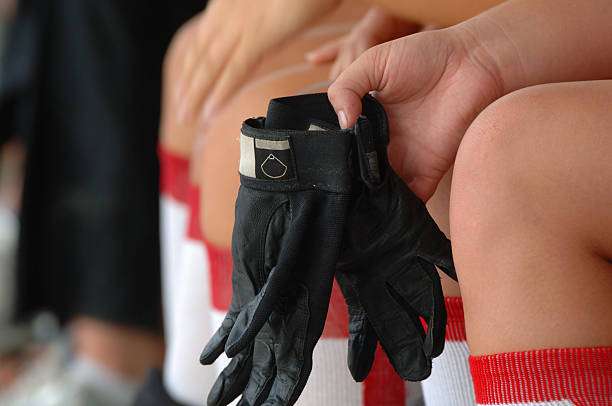
Itchy, red hands from wearing football gloves are mostly a result of the combined effects of material, size, sweat, and friction.
Just keep a few key points in mind:
Most problems can be completely solved without having to change gloves frequently.
If you’re experiencing itchy, red hands from wearing gloves, first check the glove material and size, then assess cleaning and drying practices.
I can also recommend some breathable, soft-lined football gloves suitable for high-intensity training, ensuring your hands are both comfortable and safe during workouts.

Free delivery in the US region

30 day return policy

7-24 hour response

Support PayPal and Card Payments
No account yet?
Create an Account