More sticky than other brands
NEW SEASON. FRESH GEAR.
30-day return policy
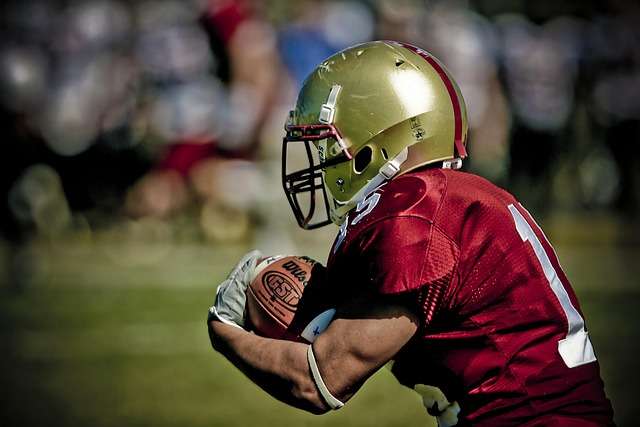
In daily training and games, many players encounter a common problem—the fingertips of football gloves wear out particularly easily.
Whether they are wide receivers, running backs, or defensive players, as long as they frequently catch, grab, push, and support the ball on the ground, the fingertips are almost always the first part to “wear out.”
Many people assume this is normal wear and tear and requires replacement. However, in most cases, by correctly identifying the cause of wear, properly repairing, and adjusting usage habits, the lifespan of a pair of football gloves can be significantly extended. This article will systematically explain why wear occurs, how to handle different levels of wear, which methods are effective, and which methods can actually damage the gloves.
I have a friend who often plays in amateur leagues. A pair of competition-grade gloves he wore only lasted three weeks before the fingertips cracked. He later changed his grip and made some simple repairs, and a second pair of the same model lasted a whole season. This kind of difference often comes from the details.
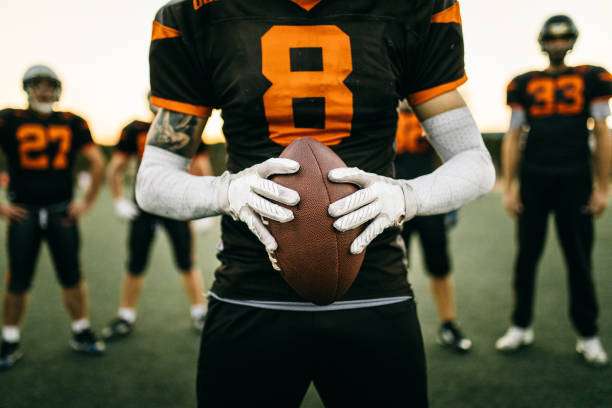
Many people only see the results but fail to analyze the reasons. In reality, the fingertips bear far more pressure than the palm.
When receiving a football glove, the initial contact with the ball often occurs at the fingertips, not the palm. This is especially true for high-lobed balls.
These actions will subject your fingertips to instantaneous friction.
The following are prevalent in training:
These actions cause the fingertips of the football gloves to rub directly against the ground.
Many players are used to “pinching” the ball instead of “wrapping” it. Using their fingertips to grip the ball for a long time will significantly accelerate wear and tear.
Before attempting any treatment, it is essential to assess the extent of the damage. Different degrees of damage to football gloves require different treatment methods.
Performance:
Performance:
Performance:
A temporary fix may be possible, but it is recommended to replace the football gloves.
This is the situation where recovery is most likely.
Often it’s not wear and tear, but rather a buildup of dirt.
Step:
Many football gloves regain their grip significantly after cleaning.
There are specialized grip recovery sprays available on the market for restoring the sticky surface of football gloves.
Notice:
If this type of wear and tear is not addressed, it will quickly turn into holes.
Material:
Step:
Advantage:
Suitable for temporary reinforcement before a competition.
Available:
Apply to the outer layer of the fingertips of football gloves.
If your fingertips are already cracked, it doesn’t mean they’re ruined immediately.
Practice:
Advantage:
Use elastic finger cot material as the outer covering layer.
Suitable:
Not recommended for use in high-intensity football matches.
Many people try online remedies, but these can actually be harmful to football gloves.
Repairing is merely a remedy; changing habits is the fundamental solution.
Replace “pinching the ball with your fingertips” with “wrapping the ball.”
Avoid using your fingertips to push yourself up.
Prepare two pairs of football gloves for alternating training.
There is a significant difference in wear and tear between artificial turf, real grass, and indoor flooring.
Replacement is recommended in the following situations:
Do not attempt to repair and continue using football gloves used in matches.
I tried using repair glue to reinforce my fingertips once, intending it to last only a week, but those football gloves lasted for two more months of training. Later, I realized the real key was—the glue should be thin, in multiple layers, and completely dry. Too thick a layer will actually cause it to crack prematurely.
One teammate went even further, applying a transparent protective layer to the fingertips of his new gloves beforehand to prevent wear and tear, resulting in a significantly longer lifespan.
In mild to moderate cases, most football gloves can partially restore grip.
Thin layers of flexible adhesive will not significantly affect the feel, but thick layers will.
Minor repairs are acceptable, but for moderate to severe damage, it is not recommended to continue using football gloves in matches.
It’s usually related to grip and ground movements, rather than a problem with the quality of football gloves.
As long as no illegal adhesive is added, it generally complies with the competition rules, but the event regulations should be checked.
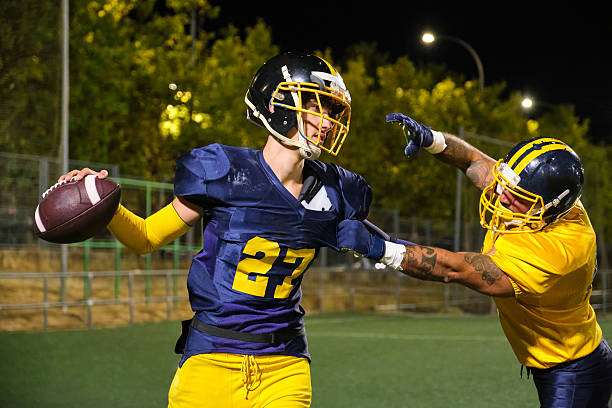
Wear and tear on the fingertips doesn’t mean they’re unusable. With the right methods, most football gloves can be salvaged. What truly determines their lifespan isn’t price, but rather usage habits, maintenance, and timely repairs.
If you’re considering more durable, higher-grip football gloves, now’s the time to choose a professional model with reinforced fingertips and an abrasion-resistant coating—training with greater peace of mind and playing with more confidence. If needed, I can also create a list of abrasion-resistant glove options for different player positions.

Free delivery in the US region

30 day return policy

7-24 hour response

Support PayPal and Card Payments
No account yet?
Create an Account