More sticky than other brands
NEW SEASON. FRESH GEAR.
30-day return policy
On the rugby field, every player wants a pair of comfortable, form-fitting football gloves. While there are many types of gloves on the market, whether professional or casual, they often suffer from issues like ill-fitting hands, unsatisfactory materials, or limited styles.
In contrast, DIY football gloves not only allow for custom-made designs but also enable players to express their unique style through personal creativity. More importantly, the process of making gloves yourself is a valuable exercise in building confidence and patience.
This article will provide a detailed explanation from multiple perspectives, including the design concept, material selection, production process, performance optimization, personalized decoration, practical experience, and common problems of DIY football gloves, to help you create a truly personalized pair of football gloves.
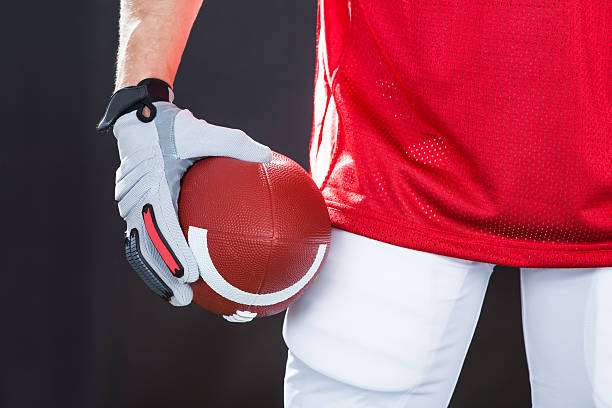
Commercial football gloves are often made in standard sizes, but everyone’s hand shape is different, which can easily lead to:
By DIY, you can customize glove sizes according to your palm length, finger flexion angle, and wrist circumference to ensure the best fit. My friend Xiao Li’s first attempt at making gloves resulted in his fingers being too wide, and commercial gloves always pressed against his fingers. After DIY, the problem was completely solved.
DIY gloves allow you to choose your favorite colors and patterns and even add fluorescent or reflective elements to enhance visibility. A friend wore his own DIY fluorescent green and black gloves on the court, and his teammates could recognize him at a glance, greatly boosting his confidence.
DIY football gloves can be optimized to meet specific usage needs:
Palm material
Material on the back of the hand
Sutures and reinforcement
Personalized materials
When I first made them myself, the template was a little too big, and the gloves were loose when I first put them on. After adjusting the edge stitching and adding padding to the palm, they fit my hand perfectly.
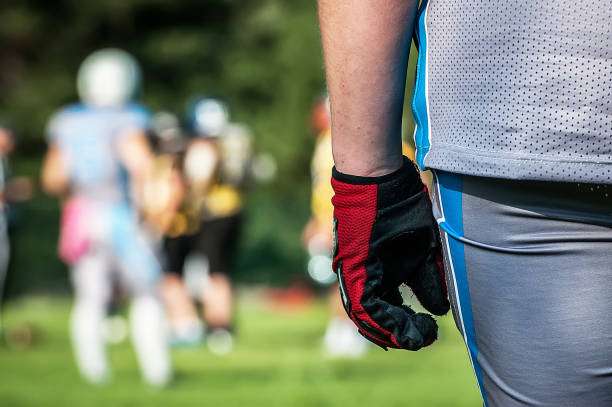
Xiao Wang tried adding elastic strips to the outside of his fingers to improve bending flexibility. In actual tests, his ball-grabbing and holding movements became more natural.
The most crucial performance feature is its non-slip palm surface.
Ensures stable ball handling even with wet hands.
Choose breathable fabric or mesh for the back of your hand, and leave space around the finger joints to prevent sweating and stuffiness that could cause slipping or discomfort.
Reinforced stitching or patches are added to high-wear areas (palms and knuckles) to improve durability. My friend Xiao Zhao made his first DIY glove, but the palm material was too thin, and it started to wear out after a few weeks of training. After reinforcement, the glove’s lifespan was significantly extended.
The elastic fabric on the fingers and back of the hand makes gripping and throwing the ball smoother and does not restrict finger movement.
Q1: Are DIY football gloves suitable for beginners?
Yes, as long as you master basic sewing skills and template measurement methods.
Q2: Can DIY gloves be used in official competitions?
Amateur competitions are acceptable, but official competitions require compliance with material specifications.
Q3: How to ensure the abrasion resistance of gloves?
Choose abrasion-resistant PU or rubber for the palm, reinforce the stitching evenly, and add patches if necessary.
Q4: Can I grip the ball with wet hands?
The anti-slip material and texture design of the palm determine the stability of gripping the ball.
Q5: How long do DIY gloves last?
Depending on the material and frequency of use, they can generally last from six months to more than a year. Regular inspection and reinforcement can extend their lifespan.
I personally wear my own DIY gloves during matches, and every time I successfully catch the ball, I feel more in control, which significantly boosts my confidence.

DIY football gloves are more than just sports equipment; they’re an expression of confidence and personality. Whether you’re a training beginner or a match player, through DIY, you can create a pair of football gloves that fit your hand perfectly, are comfortable and durable, and have a unique style, allowing you to be confident in every touch, pass, and defense.
Wearing your own DIY football gloves will not only make you more confident on the field but also give you a unique and exclusive experience in every training session.

Free delivery in the US region

30 day return policy

7-24 hour response

Support PayPal and Card Payments
No account yet?
Create an Account