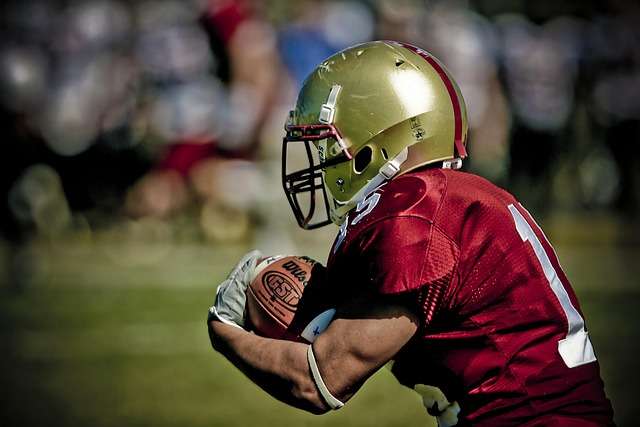
More sticky than other brands
NEW SEASON. FRESH GEAR.
30-day return policy
In daily training and matches, many players spend a lot of time choosing equipment but neglect post-equipment maintenance.
In fact, the frequency of maintenance for football gloves directly affects grip performance, comfort, and lifespan.
If the maintenance schedule is not reasonable, even the best equipment will quickly deteriorate.
Many teammates have asked the same question: how often should we clean and maintain them to ensure proper function? This article will explain it all in one go using a standard blog structure.
This guide will cover everything from usage frequency, environmental differences, cleaning methods, deep maintenance to common misconceptions.
It will also include my and my friends’ real-world experiences during training, making it easy for you to implement directly.
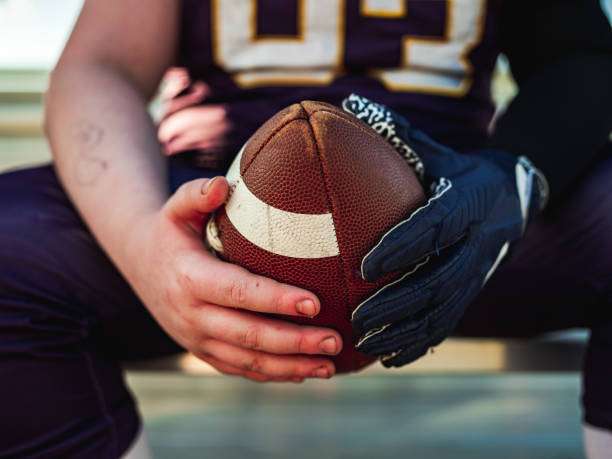
Many people think that as long as it still works, it doesn’t need any maintenance.
However, from a material structure perspective, football gloves are high-sweat, high-friction, and high-contact equipment. Without maintenance, they will deteriorate rapidly in three aspects:
Football gloves maintenance should not be uniform; it should be determined based on the intensity of use.
Suggested pace:
Football gloves, which are used frequently, have a high sweat load, so the cycle time must be shortened.
A more reasonable arrangement is:
This rhythm strikes a good balance between performance and durability.
If football gloves are primarily used for matches or competitions:
The competition environment involves more mud and collisions, placing a greater burden on materials.
It doesn’t need to be washed every time, but it does need to be treated every time.
Basic process:
Many people stuff football gloves directly into their backpacks, which is one of the main reasons for their shortened lifespan.
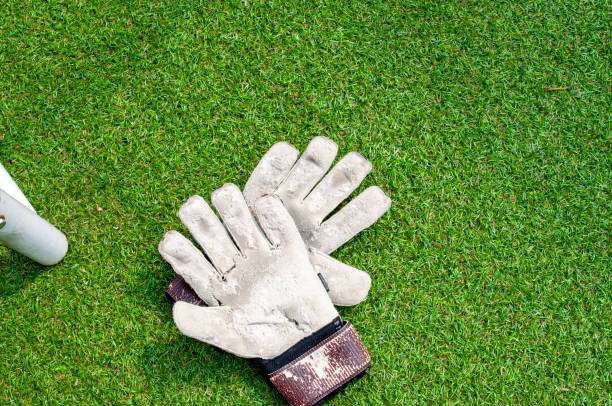
After the cleaning cycle is complete, it is recommended to hand wash the football gloves.
Correct steps:
I would press the football gloves between a towel to absorb the water, which is less likely to cause them to deform than hanging them.
No waiting period is required in the following situations:
This indicates an increased risk that the surface of the football gloves has been contaminated or damaged.
It is recommended to have your football gloves checked monthly.
My teammate discovered the crack during an inspection, repaired it in time, and was able to use it for an extra whole season.
To make football gloves more durable, you can add these habits:
Rotating the use of gloves significantly extends their lifespan.
In the early days, many people on our team didn’t maintain their football gloves, only focusing on grip and neglecting maintenance. They would become noticeably slippery after just two months. Later, we switched to a system of “ventilation after use + weekly cleaning + monthly inspection,” which resulted in the average lifespan of the same model of equipment doubling, and significantly improving ball grip stability.
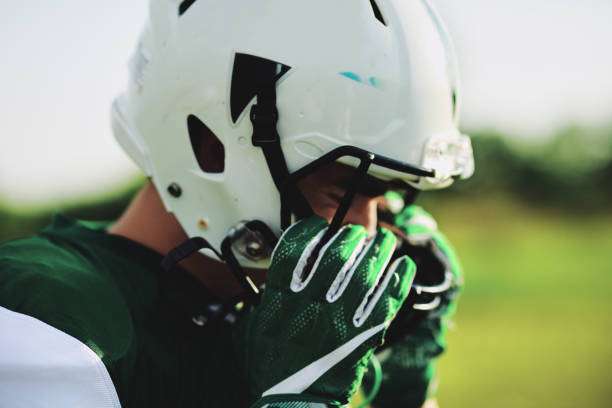
If you’re already training consistently or preparing for a match, start establishing a maintenance schedule for your football gloves now.
Choosing easy-to-clean, durable models and maintaining them according to the guidelines in this article will be more cost-effective and reliable than frequent replacements.
Choosing the right football gloves is only the first step; proper maintenance is key to maximizing their performance.

Free delivery in the US region

30 day return policy

7-24 hour response

Support PayPal and Card Payments
No account yet?
Create an Account