More sticky than other brands
NEW SEASON. FRESH GEAR.
30-day return policy
In football training, the choice of equipment often directly affects training efficiency and physical condition. One frequently overlooked yet controversial issue is whether football gloves are suitable for all-day training.
Many players believe that wearing gloves improves grip and provides a sense of security, while others worry that prolonged use might affect their feel for the ball, cause sweating, or even lead to dependency. In reality, there is no single correct answer to this question; it depends on the training content, personal habits, and how the gloves are used.
Football gloves are suitable for all-day training from multiple perspectives, including training type, physical feedback, long-term performance, and real-world experience, to help you make a more rational judgment.
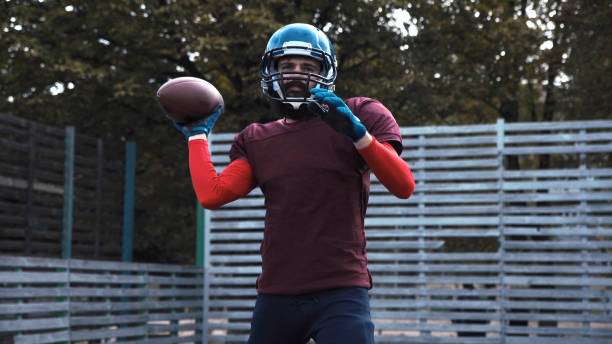
Before discussing whether it is suitable, we need to clarify what “full-day training” means.
Typically, a full-day training session may include a combination of the following:
Technical training (receiving, passing, changing direction with the ball)
Physical training (strength, sprinting, agility)
confrontation or tactical drills
Warm-up, stretching and recovery
In other words, this is not a single-intensity training session but a comprehensive load that lasts for a long time, goes through multiple stages, and is subject to varying intensities. Under such conditions, the advantages and disadvantages of any equipment will be amplified.
Functionally, football gloves primarily serve the following roles:
1. Improve grip stability
The non-slip material on the glove surface provides a more stable grip on the ball in sweaty or wet conditions, especially during repeated ball-catching drills, reducing the chance of the ball slipping out of your hand.
2. Protect hand skin
During long training sessions, the frequent friction between the palms and the ball, the ground, and teammates’ bodies can easily cause abrasions, blisters, or calluses. Gloves can cushion these injuries to some extent.
3. Enhance psychological security
This is often overlooked, but it’s very true. Many players become more confident and decisive when receiving the ball after putting on gloves.
I noticed a significant difference during the training camp: when I was doing high-frequency ball receiving while wearing gloves, I felt much less psychological pressure and was less worried about slipping or getting hurt. My concentration during training was actually higher.
While the advantages are obvious, it doesn’t mean that football gloves are suitable to wear from morning to night.
Wearing it for a long time can cause:
Excessive sweating of the palms
The inside of the gloves is slippery
Skin is in a moist state for a long time
This is especially noticeable in the summer or during high-intensity training. I once wore them for more than 4 hours continuously in the summer, and afterwards I found my fingers were white, my skin was wrinkled, and I was clearly uncomfortable.
football, the feedback from touching the ball with bare hands is crucial. Wearing it all day may cause:
Reduced perception of the sphere’s weight and rotation
Decreased fine motor skills in the fingers
Developing a psychological dependence on equipment
Especially for players who need to pass or receive the ball accurately, relying entirely on gloves may actually weaken their basic skills.
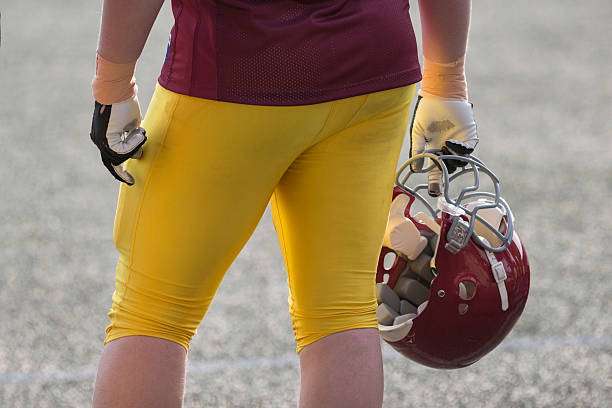
A full day of training typically includes different goals:
Technical precision
Body tolerance
Real match simulation
Wearing football gloves throughout the game can diminish the effectiveness of certain training exercises, such as ball control with bare hands and hand strength training.
Rather than asking “to wear or not to wear,” a more reasonable question is: when to wear it? And when not to wear it?
Suitable training sessions for wearing
Receiving-specific training
Highly competitive tactical drills
Cold weather or slippery environment
Competition simulation training
Wearing football gloves during these stages can improve safety and training efficiency.
Parts that are not recommended to be worn for extended periods of time
Basic ball control practice
Hand strength and endurance training
Stretching and recovery phase
Low-intensity training in hot environments
My current habit is to wear it during technical and competitive phases and remove it during basic practice phases so that I can balance feel and protection.
Based on long-term training and performance, the following issues need to be considered:
Decreased hand skin adaptability
The ability to adapt to different ball-feeling environments weakens.
If you are unable to wear it during the competition, you may experience psychological discomfort.
A truly mature training approach is to make equipment an “assistant,” not a “crutch.”
If you still wish to use it during extended training sessions, the following suggestions can help reduce the risks:
Choose a style that is breathable.
Remove them during training to allow your hands to breathe.
Prepare spare gloves to avoid prolonged exposure to moisture.
Clean and dry promptly after training.
Regularly practice ball control with bare hands
These small adjustments are often more important than whether to wear it all day.
Q1: Are football gloves suitable for beginners to train all day?
A: It’s not recommended to wear them all day. Beginners need to develop a real feel for the ball, so it’s suggested to use them during catching drills and practice with bare hands at other times.
Q2: Will wearing it for a long time affect hand health?
A: Possibly. A consistently damp environment may cause skin irritation; it is recommended to remove it occasionally for ventilation.
Q3: Should I wear it all day during training before a competition?
A: It’s okay during the competition simulation phase, but it’s still recommended to retain some bare-hand training to avoid over-reliance.
Q4: Is it more suitable to wear it all day in winter?
A: It is more suitable in cold environments, but you still need to pay attention to blood circulation and comfort in your hands.

Football gloves are not a necessity for all-day training; rather, they are auxiliary equipment that needs to be used appropriately.
Truly effective training involves flexibly adjusting them according to different training goals, rather than wearing them indefinitely.
football gloves that are suitable for training, breathable, and prevent your hands from getting stuffy, check out our curated collection of football gloves to help you improve your performance during key training sessions while keeping your hands in a natural position and healthy.

Free delivery in the US region

30 day return policy

7-24 hour response

Support PayPal and Card Payments
No account yet?
Create an Account