More sticky than other brands
NEW SEASON. FRESH GEAR.
30-day return policy
In football training and matches, many players focus on whether their protective gear fits well and whether their shoes are slip-resistant, but they often overlook a crucial detail—whether their gloves are worn out. In fact, a pair of gloves with deteriorated performance not only fails to improve ball control but may also become a hidden cause of mistakes.
The problem is that the aging of football gloves isn’t as obvious as holes or tears. Often, it’s “They still look usable, but their performance is no longer right.” This article will systematically analyze the common signs of aging in football gloves, their causes, their impact on ball control, and how to determine if they need to be replaced.
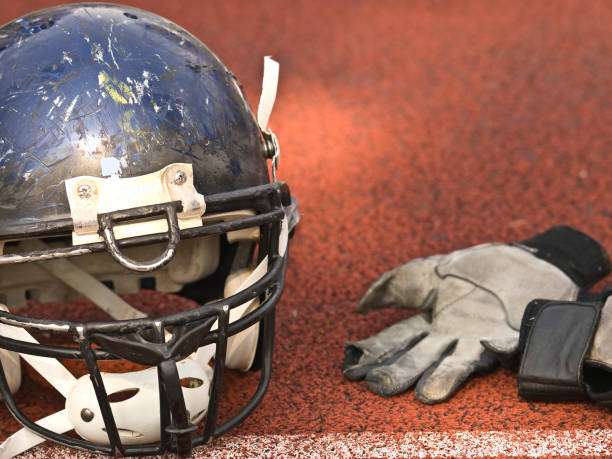
Aging is not the same as damage. Even if
A pair of football gloves looks intact and has no obvious damage; it may have already degraded in performance.
Aging typically manifests itself in the following ways:
Decline in material physical properties
Reduced friction and feedback
Deterioration in fit and stability
The user experience is no longer consistent.
I first realized this problem when I twice in a row “touched the ball but failed to catch it” during a training session. At the time, I thought it was a problem with my form, but after I changed to a new pair of gloves, the difference became immediately apparent.
This is the most typical, yet most easily overlooked, sign of aging.
New gloves typically have a noticeably sticky or grippy feel on the palm area, but this will change as they age.
The feeling of “slipping” when catching the ball
It’s easier to slip when your hands are sweaty.
The error rate increases significantly in rainy or humid conditions.
Even if the surface is not damaged, the sticky components in the material may have already oxidized or worn away.
As the wearer uses football gloves, the material in the palm area gradually loses its elasticity, exhibiting the following characteristics:
The texture changed from soft to firm.
It no longer naturally conforms to the shape of the hand when bent.
Increased resistance when clenching a fist or opening the hand
This change will directly affect your sense of being enveloped by the ball, especially during high-speed movement or combat.
One common problem with aging gloves is that they may appear to be the same size, but they no longer fit snugly when worn. Specific signs include:
Extra gaps appear at the fingertips
The glove shifts when the fingers move.
There’s a “delay” when catching the ball.
I had a pair of gloves that I used for a whole season, and during training I always felt that my fingertips were a beat slower. Later I found out that it was because the material’s elasticity had decreased, which caused the fit to deteriorate.
Some football gloves may develop the following issues after aging:
Fingers are not flexible
Restricted when opening palm
It requires deliberate “forceful control” of hand shape
This change has a particularly noticeable impact on high-frequency receiving positions such as outside receivers and tight ends.
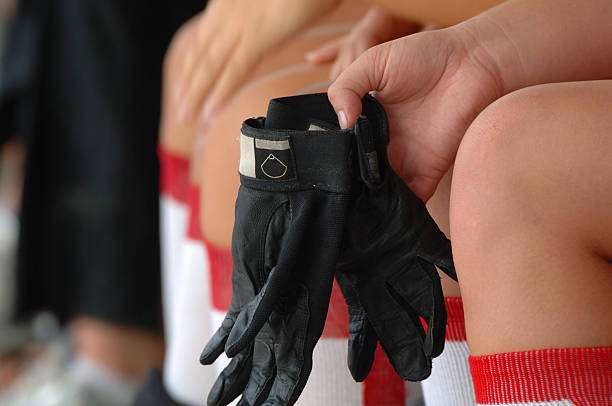
5. The lining’s ability to absorb sweat decreases, causing it to slip.
Many people only pay attention to the outer side of their palms, neglecting the aging of the inner lining. Common signs include:
The inside of the gloves becomes slippery after sweating.
Hand displacement inside the glove
Increased discomfort after prolonged wear
These problems are particularly noticeable after high-intensity training.
1. Decreased ball-receiving stability
A decrease in friction and adhesion can directly lead to “loss of control” when receiving the ball, especially:
Catching the ball with fingertips
Catching the ball when out of balance
One-handed control in combat
2. Confidence in ball possession is weakened.
When you start to distrust your equipment, you will unconsciously change your behavior patterns, for example:
Excessive force when receiving the ball
Slow down in advance to confirm ball control
Stiff posture when holding the ball
These changes actually make it easier to make mistakes.
3. Increased hand fatigue
Aged gloves often require players to exert more force to maintain control, which can increase finger and forearm fatigue over time.
High temperature exposure or prolonged sun exposure
Not dried in time after getting wet
Frequent machine washing or use of strong detergents
Long-term high-intensity training and competition
I used to stuff my gloves into my bag right after training, but over the course of the season, they aged much faster.
You can determine this through the following simple tests:
Friction test: Gently place your palm on the surface of the ball to check for obvious slippage.
Fit Test: Open and close your palms naturally and smoothly.
Wet hand test: Is it more difficult to control the ball when hands are slightly wet?
Real-world feedback: Have you made an increase in mistakes recently without any obvious reason?
If two or more of these issues occur, it’s almost certain that the gloves have entered a period of performance degradation.
Air dry naturally after training, avoiding direct sunlight.
Clean gently and regularly, avoiding vigorous washing.
Use two pairs of gloves alternately
Do not wear for extended periods outside of training or competition.
These habits can significantly extend lifespan.
Q1: It doesn’t look broken; does it still need to be replaced?
A: Yes. Aging is more of a performance issue than a cosmetic one.
Q2: How long does it usually take for aging to occur?
A: With high-frequency use, noticeable degradation may occur within one season.
Q3: Will cleaning accelerate aging?
A: Improper cleaning will. Strong washing and high temperatures are the main causes.
Q4: Does aging increase the risk of dropping balls?
A: Yes, especially in humid or challenging environments.
Q5: Are spare gloves necessary?
A: Absolutely necessary, as they reduce the rate of wear and tear on a single pair of gloves.
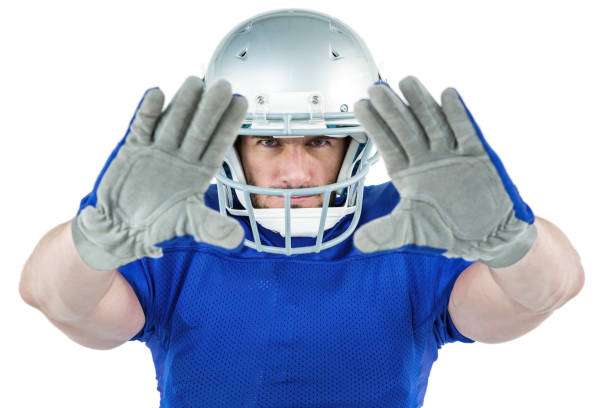
Football gloves are not just a piece of equipment that you can “wear as long as it’s functional.”
As they start to wear out, they affect more than just your feel for the ball; they affect your ball control consistency, your confidence, and your performance in the game.
Often, the problem isn’t with your skills, but rather that your equipment has quietly become inadequate to keep up with your intensity.
If you find your catching consistency declining, your touch becoming inconsistent, or you haven’t changed your football gloves in a while, now is a good time to reassess your gear. Choosing a pair of gloves that fit well and provide consistent friction will make your training and match performance more reliable.
Change to appropriate football gloves promptly to ensure you regain your proper level of ball control every time.

Free delivery in the US region

30 day return policy

7-24 hour response

Support PayPal and Card Payments
No account yet?
Create an Account