More sticky than other brands
NEW SEASON. FRESH GEAR.
30-day return policy
Many beginners believe that power and speed are the most important aspects of football, but those who have actually played a few matches will find that ball control stability is one of the key factors determining offensive efficiency.Once the ball leaves your hands, even the best tactics can instantly become ineffective. And when it comes to ball control stability, equipment selection is often underestimated, with football gloves being a prime example.
Many people ask: Does wearing gloves really make a big difference? Does it only increase the success rate of catching the ball, or does it also have a substantial impact on ball protection? In this article, we will systematically explain how much football gloves actually contribute to ball protection from multiple perspectives, including material structure, anti-slip performance, impact cushioning, psychological stability, and the needs of different positions.
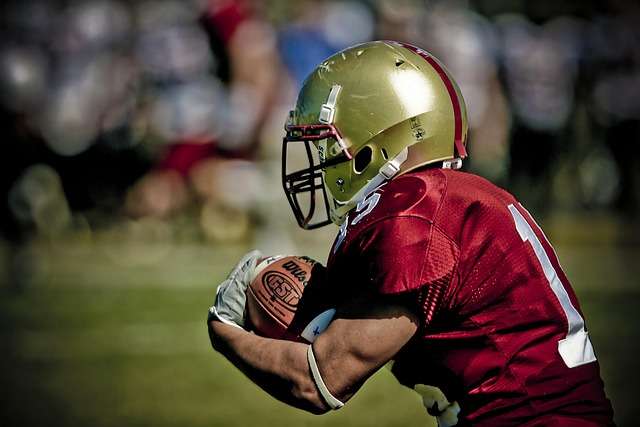
In football, ball protection is not just about “preventing the ball from falling”; it involves at least four aspects:
Many players focus only on receiving the ball, neglecting ball control stability during the running phase.
In reality, a large number of turnovers occur during secondary attacks after a physical challenge. This is why more and more players are starting to value football gloves.
Modern football gloves’ effectiveness lies in the material used for the palm. Common types include:
These designs can significantly increase the coefficient of friction between the ball and the hand. The effect is particularly noticeable in the following situations:
A friend of mine plays wide receiver in an amateur league. He used to catch the ball with his bare hands, but his success rate dropped significantly on rainy days. After switching to football gloves, he said the most noticeable difference was that the ball “stuck” to his hands—and he wasn’t exaggerating; the feel was genuinely different.
High-quality gloves typically incorporate the following features in the finger joint area:
The purpose of this type of structure is not to protect the skin, but to reduce the transmission of shock. The impact force when catching the ball is dispersed, reducing the probability of the ball bouncing and slipping out of your hand.
Especially for:
The effectiveness of football gloves under such instantaneous impact is very obvious.
Many people only focus on catching the ball, but the real reason the ball is easily dropped is when it is hit.
The role of football gloves here is:
A semi-professional running back once shared that he was stripped twice in a row during a game. After the game, the coach’s first words were: “Change your gloves.” Later, he switched to high-adhesion football gloves, and his ball-dropping rate decreased significantly.
Football gloves can provide additional grip compensation.
Football gloves with an insulating layer can maintain hand dexterity.
Breathable football gloves help wick away sweat and keep the grip dry.

The importance of football gloves is not the same in all positions.
Many people overlook one point: equipment can affect one’s mindset.
When you believe you can “grab” it, your movements will be more natural and your body will not be overly tense.
There’s a fairly real phenomenon: after beginners put on football gloves:
Mental stability → Stable movements → More stable ball control.
Many people mistakenly believe that the stickier the bond, the stronger the bond.
A balance is actually needed:
Good football gloves should be:
Key considerations when choosing football gloves:
My friends and I who play in amateur leagues share a common feeling: the first time you use professional football gloves, it feels a little strange, but once you get used to it, almost no one wants to play bare-handed anymore.
Especially during continuous high-intensity matches, the gloves’ help in protecting the ball is very obvious.
Q1: Will gloves affect the feel of passing?
Thin football gloves generally won’t cause any issues; in fact, they can improve stability. Thicker gloves might slightly affect the delicate touch.
Q2: Are gloves allowed in all matches?
Most official matches allow it, but it must meet the league’s material standards.
Q3: How often should football gloves be replaced?
If used frequently, it should be replaced after about one season when its stickiness decreases.
Q4: Do I need to wear football gloves during training?
It’s recommended to wear football gloves for training and matches to maintain a consistent feel.
Q5: Is it okay to wear only one glove?
Some players do this, but wearing it with both hands is more stable.
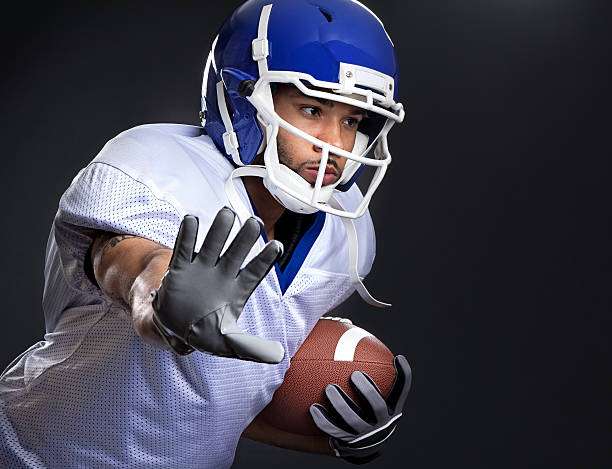
In football, details determine success or failure. Protecting the ball may seem like a basic skill, but it’s actually the result of a combination of technique, strength, and equipment.
And a suitable pair of football gloves can often help you save an extra attacking opportunity in crucial moments.
If you’re working on improving your catching or holding consistency, carefully select a pair of football gloves that suit your position and style.
Try using them consistently in training for a period of time; you’ll notice a significant difference. Choosing the right equipment gives you a head start in improving consistency.

Free delivery in the US region

30 day return policy

7-24 hour response

Support PayPal and Card Payments
No account yet?
Create an Account

