More sticky than other brands
NEW SEASON. FRESH GEAR.
30-day return policy
In football, football gloves are an indispensable piece of equipment for athletes. Whether it’s improving grip, providing protection, or enhancing comfort, the choice of football gloves directly impacts an athlete’s performance. Fingerless gloves and full-finger gloves are the two most common types of football gloves, each with its own design and advantages.
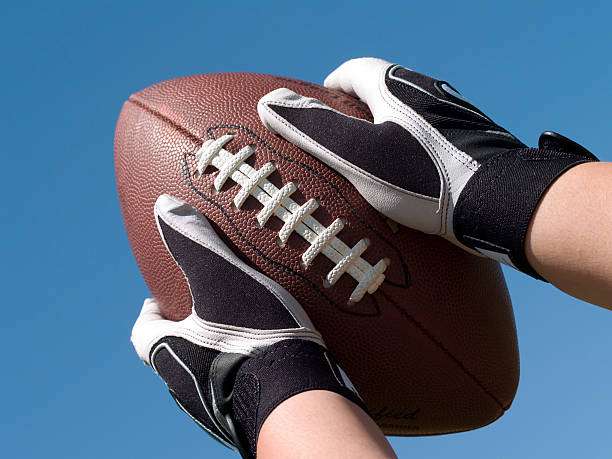
Fingerless football gloves allow athletes’ fingers to move freely, providing exceptional flexibility. Players who require quick reactions and dexterous finger dexterity, such as receivers and running backs, typically prefer fingerless gloves. The fingerless design allows fingers to bend and open freely, making it smoother to quickly grip and adjust posture.
However, while fingerless football gloves offer greater flexibility, they are slightly less stable. For athletes who need precise grip and control of the ball, full-finger football gloves provide better support and control. Full-finger gloves tightly wrap around each finger, helping athletes better control the ball and execute complex movements. The stability and reliability of full-finger gloves are particularly prominent during high-intensity competition and passing.
A significant advantage of full-finger gloves is their comprehensive hand protection. The design, covering the entire finger, effectively reduces the risk of hand injuries from impacts, friction, or falls. Finger protection is especially important in inclement weather or during intense, physical games. Defensive players and quarterbacks, who require finger protection, typically choose full-finger football gloves to avoid injury and reduce hand fatigue.
Conversely, while fingerless football gloves offer protection for the palm area, the lack of finger coverage may prevent them from providing adequate protection during intense physical contact. In high-intensity matches, the fingers are exposed and vulnerable to impacts, cuts, or other external forces.
Fingerless gloves are typically designed to be lighter and more breathable, making them especially suitable for use in hot weather. The exposed fingers enhance ventilation, keeping athletes’ hands dry and preventing moisture buildup and discomfort caused by prolonged glove wear. For players who need to frequently change movements and react quickly, fingerless football gloves offer better breathability and comfort, making them an ideal choice for hot weather and long training sessions.
However, in cold environments, full-finger football gloves offer better insulation, effectively preventing fingers from stiffening or freezing. For players playing in cold weather, especially defensive players or quarterbacks, warm full-finger football gloves ensure fingers remain flexible, avoid discomfort caused by the cold, and help athletes perform better.
Grip strength is a key factor in football, especially during passing, catching, and holding the ball. Full-finger football gloves, with their design that covers each finger, provide a stronger grip and greater control. Whether passing, catching, or holding the ball, full-finger gloves help athletes control the ball more precisely and reduce the risk of dropping it.
While fingerless gloves offer some grip, the lack of finger coverage can make the grip feel slightly weaker, especially in wet or inclement weather. For athletes who rely on accurate passing or consistent catching, full-finger gloves provide a better feel for the ball and control, helping them maintain a stronger grip during matches.
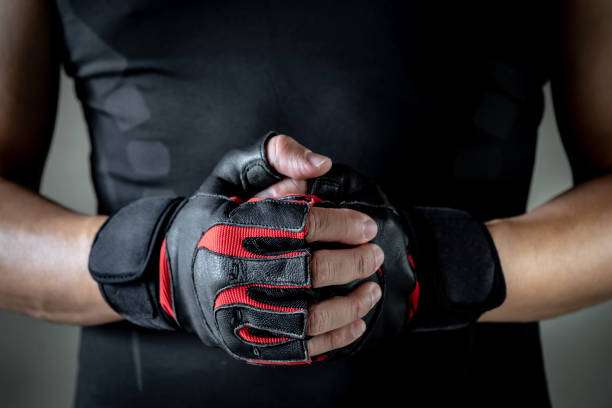
Fingerless gloves are suitable for games or training in hot weather due to their flexibility and breathability, especially in situations where excessive protection is not required, quick reactions are demanded, and finger dexterity is high. For example, receivers and running backs may prefer fingerless football gloves to gain more hand freedom of movement, helping them improve their performance during high-speed movements.
However, full-finger football gloves are suitable for cold weather, harsh playing conditions, or intense matches, especially for players such as defensive players and quarterbacks who require greater protection and control. Full-finger gloves offer better support, grip, and hand protection, maintaining an advantage in high-intensity competition.
Fingerless and full-finger football gloves each have their unique advantages. The choice of which type of football gloves to use should be based on the athlete’s individual needs, the playing environment, and preferences. Fingerless gloves, with their flexibility and breathability, are suitable for players with quick reactions and high agility, while full-finger gloves excel in providing stronger protection, grip, and stability.
If you’re looking for the right gloves for your football gear, why not try our high-performance full-finger football gloves? Whether you need extra protection or want to improve your grip, our full-finger football gloves provide optimal support. Click to buy now and boost your performance for a complete football experience!

Free delivery in the US region

30 day return policy

7-24 hour response

Support PayPal and Card Payments
No account yet?
Create an Account