More sticky than other brands
NEW SEASON. FRESH GEAR.
30-day return policy
Football gloves are essential equipment for protecting hands and improving grip during sports. Many beginners are attracted by the color and material of gloves when buying them, but few consider whether these factors affect the gloves’ durability. In fact, the durability of football gloves depends not only on the brand and design but also on the choice of color and material.
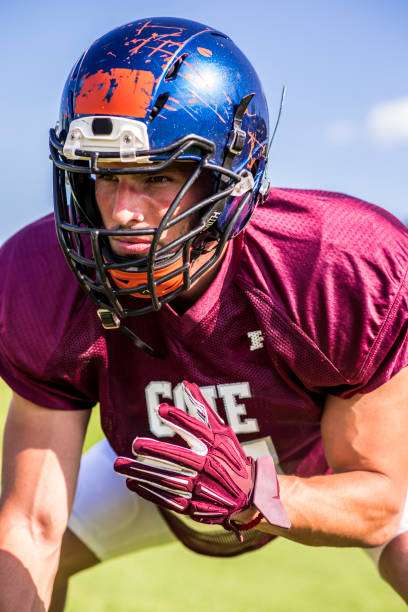
for football gloves include polyester, nylon, leather, synthetic leather, and composite materials with rubber or silicone coatings. Different materials vary significantly in abrasion resistance, tensile strength, and grip performance.
Polyester and nylon: These materials are lightweight and breathable, but they are prone to wear and tear during high-intensity training or competition. If you choose bright-colored gloves, especially white or light-colored ones, they will show abrasions and stains more easily and may make the gloves look “old.”
Leather and synthetic leather: Leather gloves are generally more durable and offer a good grip. However, dark leather tends to look better than light leather because light-colored leather is more prone to scratches and color variations after use.
Coated composites: Coated gloves provide extra grip while enhancing abrasion resistance. While colored coatings are aesthetically pleasing, they can sometimes affect the material’s flexibility, especially in winter or low-temperature environments, where some brightly colored coatings are more prone to cracking than black or dark gray.
I once bought a pair of red-coated football gloves, and cracks appeared at the knuckles after less than three months of use, while the black version of the same model remained in excellent condition. This shows that color not only affects appearance but can also indirectly affect durability.
Football glove color is typically determined by dyes or coatings. The type of dye and the coloring process affect the durability of the material.
Light-colored football gloves: The dye coating is thin and easily corroded by friction or sweat, causing the color to come off or fade.
Dark-colored football gloves: The dye is evenly and thickly applied, and the wear resistance is relatively high. Even if there are slight scratches on the surface, they will not be noticeable.
Fluorescent or special-colored gloves: These gloves usually have special pigments added to the dye, which may increase the material’s stiffness, making the gloves slightly stiff when gripping, and may also crack after high-intensity use.
I remember during an outdoor training session, when I was wearing a pair of fluorescent yellow gloves, my fingers were noticeably less dexterous than when I was wearing my usual black gloves. Also, after catching the ball, small cracks appeared on the surface of the gloves. This reminded me that I need to balance aesthetics and durability when choosing colors.
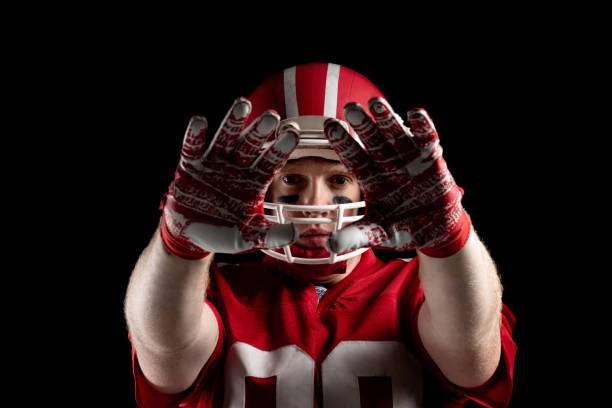
of football gloves is not only related to materials and dyes but also affected by environmental factors:
Sun exposure: Brightly colored gloves are prone to fading or aging under strong sunlight, while dark-colored gloves are more resistant to sun exposure.
Humidity and rain: Light-colored gloves are more likely to attract dirt and sweat in humid environments, and frequent washing may accelerate material wear.
Temperature changes: Low temperatures can cause some colored coated gloves to harden, increasing the risk of cracking.
During my winter outdoor training, I found that red football gloves felt stiff when gripping the ball in low temperatures, while the same model of black gloves performed normally. This makes me prefer dark or classic colors when choosing gloves, as they are both aesthetically pleasing and durable.
Taking into account material, dye, and environmental factors, we can summarize some practical suggestions:
Dark colors are preferred: Black, dark gray, or dark blue gloves are more visually appealing and also more durable.
Pay attention to coating quality: Coated gloves provide grip, but the flexibility of the coating needs to be considered to avoid low-temperature cracking.
Balancing aesthetics and practicality: If you prefer vibrant colors, consider using them during non-high-intensity training to avoid rapid wear and tear.
Regular cleaning and maintenance: Avoid excessive rubbing when cleaning, and try to air dry naturally to reduce color fading and material aging.
Try them on: Gloves of different colors and materials feel different, so it’s best to try them on and choose a style that is both comfortable and durable.
In my personal use, I usually choose black or dark gray football gloves for matches and high-intensity training, while brightly colored gloves are used for easy practice or to show off, which extends the life of the gloves.
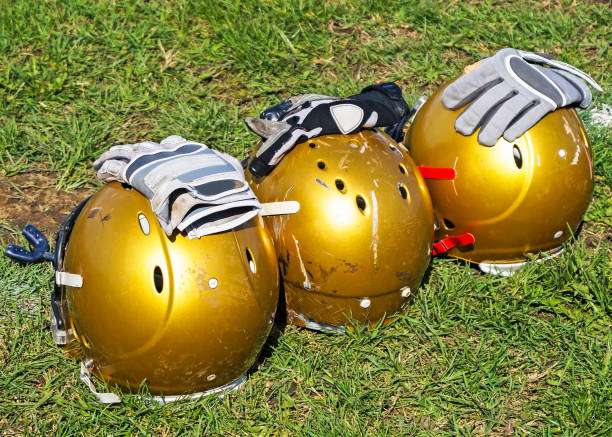
Football gloves are affected by many factors, including the type of material, color dyes, and the environment in which they are used. While light-colored or brightly colored gloves may be more visually appealing, they may wear out faster under heavy use, while dark-colored gloves generally perform better in terms of abrasion resistance and practicality. By choosing the right materials and colors and paying attention to daily care, you can ensure that your gloves remain stylish and accompany you through training and matches for a longer period of time.
If you’re considering upgrading your football gloves, we recommend choosing dark-colored, durable materials and selecting based on your intended use. Click here to see our selection of high-durability football gloves to give your hands optimal protection and support during every training session!

Free delivery in the US region

30 day return policy

7-24 hour response

Support PayPal and Card Payments
No account yet?
Create an Account