More sticky than other brands
NEW SEASON. FRESH GEAR.
30-day return policy
Football is a sport that demands extremely high levels of hand control and grip strength. Football gloves are not only protective tools but also directly affect ball feel, ball control success rate, and match performance. Many beginners or junior players often overlook the fact that the needs for gloves in training and matches are not exactly the same. This article will combine usage experience and practical observations to analyze the differences in football gloves between training and matches, helping players choose the most suitable gloves for different scenarios.
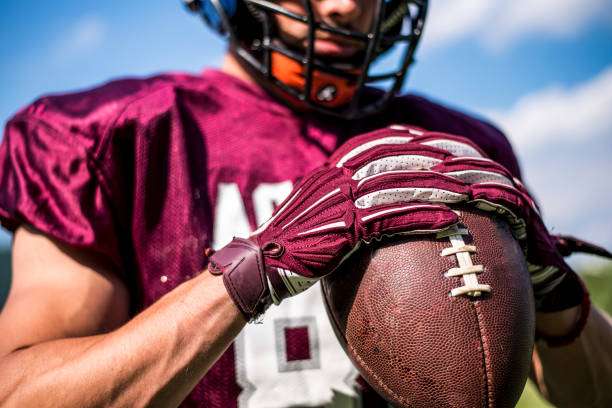
Football gloves primarily offer three functions:
The material and adhesiveness of the palm of a grip glove directly determine the stability of a player’s grip on the ball.
that protect
The back of the hand and fingers can prevent impact injuries.
Comfortable and flexible
, the well-fitting gloves do not restrict finger bending and passing movements, ensuring precise action.
Different scenarios will have different requirements for these three points, so the design of training gloves and competition gloves will be different.
Material and grip
During training, players need to frequently repeat passing, catching, and gripping actions.
Therefore, training gloves are generally made of highly abrasion-resistant materials with moderate stickiness, so they are not easily worn down by repeated use.
Observations from experience:
Some young players experience rapid wear and tear on their palms after extensive training with match gloves, resulting in a decreased feel for gripping the ball.
Although the durable training gloves have slightly lower stickiness, they can maintain a stable grip during long-term training, reducing the cost of replacing football gloves.
Protection and comfort
During training, players frequently engage in physical contact and high-frequency contact, making the cushioning and protective functions of
football gloves even more important. A moderate thickness can protect the back of the hand and fingers, but it shouldn’t be too thick to avoid affecting finger dexterity.
Price and value for money
Training football gloves are high-frequency consumables and usually don’t require a large budget.
Experience shows that cost-effective and durable training gloves are more suitable for daily training than highly adhesive but easily worn match gloves.
Football gloves in matches place more emphasis on instantaneous grip strength and finger dexterity.
Highly adhesive palm
Match football gloves typically use a high-grip palm material to provide stable ball control in crucial moments.
Experience shows that in rainy or slippery conditions, highly tacky match gloves can significantly reduce the probability of dropping the ball.
Slim and lightweight design
To ensure dexterity, match gloves are typically thinner and lighter on the back of the hand and fingers than training gloves. This
allows players to perform catching, passing, and quick gripping movements more naturally.
Personalization and aesthetics
Competition gloves also place greater emphasis on visual appeal, such as colors and team logos.
This design, besides being aesthetically pleasing, also helps players maintain morale and a sense of team identity during matches.
| Dimension | Training football gloves | match football gloves |
| Material | Wear-resistant and with a moderate grip | High viscosity, grip priority |
| feel | Stable and durable | Sensitive and strong instantaneous grip |
| Protect | Thicker and more impact-resistant | Lightweight and flexible |
| Frequency of use | high | lower |
| price | medium to low | Medium and high |
| Appearance | Practicality is the priority | Aesthetics, Team Style |
Experience accelerated wear and tear when using match-quality football gloves in training, while using training gloves during matches may negatively impact ball control. Choosing dedicated football gloves for the specific situation can effectively extend their lifespan and improve performance.
Training gloves
Choose materials with good wear resistance and moderate grip strength.
Make sure the size is correct and that the back of your hand is adequately protected.
Prioritize cost-effectiveness and ensure durability
Competition gloves
The highly tacky palm ensures a stable ball grip.
The thin design on the back of the hand does not affect the flexibility of movement.
Pay attention to anti-slip properties and adapt to different climate conditions.
Lessons learned: Players can consider purchasing training gloves and match gloves separately to ensure match performance without wasting training consumables.
“Using a pair of gloves that can be used for both training and matches”
often leads to premature wear of the match gloves or insufficient ball grip in the training gloves.
“Thicker gloves are safer.”
Overly thick gloves can affect sensitivity, especially reducing the success rate of catching the ball during a match.
“The more expensive the brand, the more suitable it is for the competition.”
Grip strength and fit are the key factors; brand is just a reference.
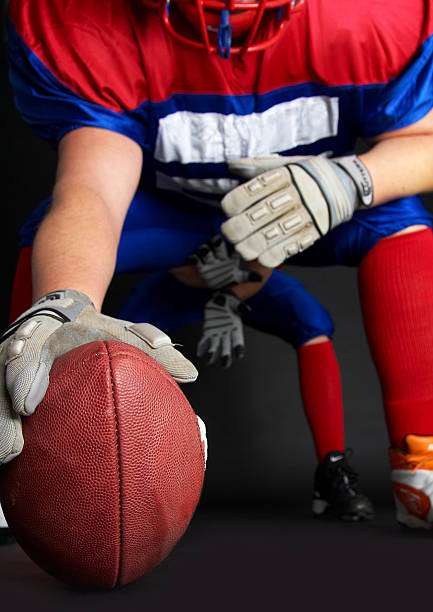
The main differences between training and match use of football gloves lie in durability, grip strength, protection, and finger dexterity. Training gloves are durable and cost-effective; match gloves offer high adhesion and are thin and flexible.
Want to perform at your best in training and matches? Browse our selection of football gloves and choose the perfect gear for your training and matches to help you make every catch.

Free delivery in the US region

30 day return policy

7-24 hour response

Support PayPal and Card Payments
No account yet?
Create an Account