More sticky than other brands
NEW SEASON. FRESH GEAR.
30-day return policy
Football gloves are essential equipment for players during training and matches. Whether it’s preventing slippage, protecting hands, or improving ball grip, high-quality football gloves can significantly enhance performance. However, after repeated use, gloves accumulate sweat, dirt, and dust, which raises a crucial question: Can football gloves be machine washed?
This article will provide a detailed analysis of the materials, risks of machine washing, hand washing methods, and drying techniques, while also sharing my personal experience to help you properly clean football gloves and extend their lifespan.
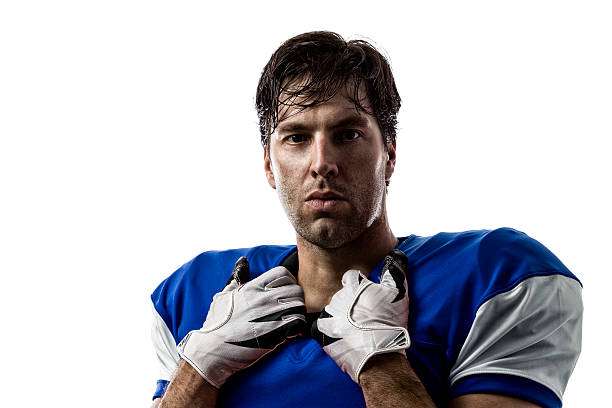
Football gloves are mainly made of the following types of materials:
Synthetic leather: durable and has good ball-holding properties, but it is prone to deformation or cracking when machine washed.
Breathable mesh fabric: soft and breathable, but the material is thin and may be damaged during machine washing.
Silicone/rubber palm: Enhances friction and can usually withstand light washing, but machine washing may cause it to peel or harden.
Different materials have different tolerances to different washing methods, which is the key to determining whether a material is suitable for machine washing.
Many people think that throwing football gloves directly into the washing machine is the most convenient way, but there are actually some risks involved:
deformation or shrinkage
under high-temperature water or strong rotation. One experience I had was that after machine washing a new pair of gloves, the finger areas became tight, affecting my grip on the ball.
Damaged palm friction layer:
If the silicone or rubber pattern on the palm of the glove is machine washed directly, it may peel off or harden, affecting the ball grip performance.
Damaged seams:
The agitation of the washing machine can pull on the seams, causing gloves to come undone or wear out faster.
In summary, most high-quality football gloves are not recommended for direct machine washing, especially new gloves or expensive gloves.
Compared to machine washing, hand washing is gentler on the glove material while maintaining cleanliness. My usual practice is as follows:
Prepare warm water and a neutral detergent.
Pour warm water into a basin and add a small amount of neutral detergent or sports equipment cleaner. Avoid using bleach or strong alkaline detergents to prevent damage to the material.
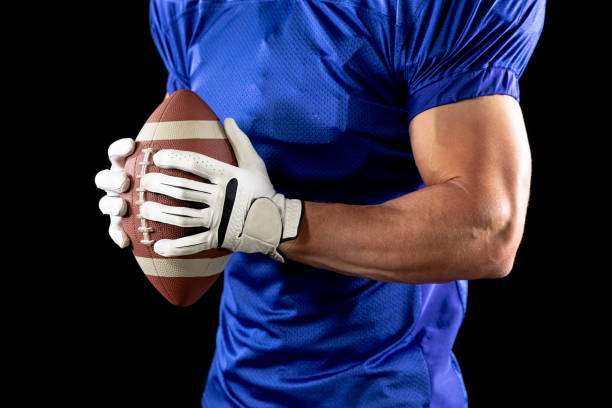
Soak and gently rub:
Immerse the football gloves in water for about 5-10 minutes, and gently rub the backs of your hands and palms, especially between your fingers where sweat tends to accumulate. Gentle rubbing will remove most of the sweat and dirt while maintaining the gloves’ original shape.
Rinse thoroughly
with clean water to remove any detergent residue, ensuring that no chemicals remain that could affect the feel of the fabric or irritate the skin.
Gently squeeze out the water
by wrapping the gloves in a towel and pressing gently to absorb the water. Avoid wringing them out forcefully to prevent damage to the glove’s structure.
Proper drying is equally important; otherwise, unpleasant odors may develop, or the material may age faster.
Air dry:
Lay the gloves flat or hang them in a well-ventilated, shady place to air dry. Avoid direct sunlight or drying with a heater to prevent the gloves from hardening or fading.
shape of the gloves
, you can stuff clean towels or newspapers inside the gloves to prevent them from collapsing when dry.
I once tried hanging the gloves near a heater, and the palms hardened, significantly reducing the grip on the ball. Later, I switched to air-drying them in a cool, ventilated place, which extended the gloves’ lifespan considerably.
If the glove material allows, occasional light machine washing is acceptable, but please note the following:
Use a laundry bag
to put the gloves in, reducing direct contact with the washing machine’s agitation.
Choose the gentle wash mode
on a low setting to keep the water temperature around 30°C to avoid damaging the material with high temperatures.
Avoid using bleach and fabric softener.
as these chemicals may damage the glove material or silicone friction layer.
dry immediately after machine washing
Do not leave the machine in for an extended period of time after washing, otherwise it may develop odors and mold.
Even after handwashing and drying, there are some ways to extend the life of football gloves:
Regular cleaning: Wash gloves promptly after training to avoid the accumulation of sweat and dirt.
Avoid folding or pressing: Store gloves flat and in a well-ventilated place.
Check for wear and tear: promptly repair minor damage to prevent further damage.
After each training session, I would simply rinse the gloves, let them air dry, and then store them. After several months, the gloves remained soft and comfortable, and their ball-gripping performance did not decline.
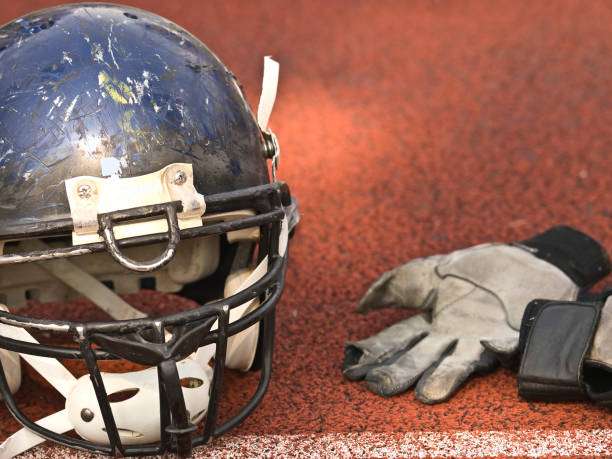
Football gloves can be machine washed, depending primarily on the glove material and the washing method. Most high-quality gloves are not recommended for direct machine washing, as they are prone to deformation, damage, or impaired ball grip. Handwashing is a safer and more effective method, and combined with air drying and proper care, it can help maintain the gloves’ optimal comfort and lifespan. When washing gloves, remember: treating each pair gently is essential for a smooth and enjoyable sporting experience.
Want to keep your football gloves in top condition and extend their lifespan? Click to check out our handy glove cleaning and care guide to keep your grip on the ball optimal for every training session and match!

Free delivery in the US region

30 day return policy

7-24 hour response

Support PayPal and Card Payments
No account yet?
Create an Account