More sticky than other brands
NEW SEASON. FRESH GEAR.
30-day return policy
You stand on the field, the frigid air biting, and your football gloves suddenly feel like two stiff pieces of plastic. You’re not catching the ball; you’re battling the freezing temperature.
In extremely cold outdoor matches, the impact of ambient temperature on equipment performance is often underestimated. Low temperatures are a hidden killer of the grip performance of football gloves—not only do they make your fingers stiff, but more importantly, they drain the elasticity and grip of the glove’s core—the high-performance adhesive material.
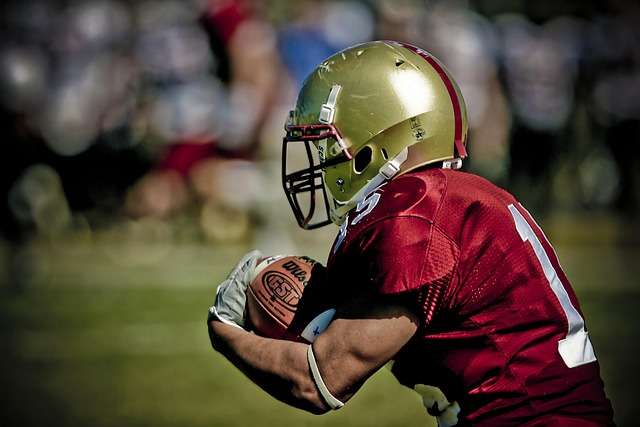
To beat the cold, you must first understand how it works. The impact of low temperatures on glove performance is physical.
The freezing effect of gripping materials: Modern football gloves rely on tiny elastomers to increase the coefficient of friction and achieve “stickiness.”
Under extreme cold conditions:
These polymer materials will harden, become brittle, and lose elasticity significantly.
You no longer have that “sticky” feeling with the ball; the glove’s friction drops drastically, like a car tire losing grip on an icy road.
Durability and Crack Risk: Low temperatures can also affect the durability of gloves. The synthetic material on the back of the glove loses its flexibility in cold weather. If your football gloves freeze after getting wet, every bend or tightening can cause tiny cracks at the seams or knuckles.
The significance of low-temperature maintenance is that it prevents these structural damages, making post-match repairs much simpler.
Football gloves, which are claimed to be able to handle all weather conditions, have physical limits to their performance. In extremely cold environments where the temperature remains below freezing, they still require additional preheating techniques to function properly.
Your gloves need to be warmed up like an athlete’s before a game. Here are some warm-up techniques used by professional players on the sidelines:
Tips for Improved On-Site Isolation: When not in use, avoid exposing football gloves to cold air. Store them in the warm inner pocket of your jersey jacket or lining to preheat them using your own body heat.
Safe Heating: During breaks in the game or while waiting, place the gloves in a zip-lock bag and put one or two chemical hand warmers inside.

Key Warning: Never allow heat packs to come into direct contact with your gloved palms. Excessive concentrated heat can melt or permanently damage the adhesive material. Always use a towel or bag as a barrier.
Quick activation test for sticky surfaces: Breathe on your palm before a crucial catch. The warm, moist gas temporarily softens the sticky surface, restoring some of its grip.
Warmth Under the Gloves: Stiff fingers are another major reason for decreased stickiness. Consider wearing an ultra-thin, sweat-wicking inner glove under your football gloves to maintain blood circulation and flexibility in your fingers, enhancing the trial experience.
Once the game starts, your football gloves face new risks: ice, dirt, and damp residue.
Immediate drying after the game is key to cold-weather maintenance. Throwing wet or frozen football gloves in a cold gear bag overnight is the best way to speed up the gloves’ demise.
Remove moisture: Immediately after the match, use a clean towel to remove all visible moisture from your gloves.
Air dry: Bring the gloves indoors and allow them to air dry in a well-ventilated, room-temperature environment. Avoid using any heat sources (such as radiators or hair dryers), as heat can damage the palm polymer.
To maintain shape: You can stuff the gloves with crumpled newspaper or a small towel to help absorb internal moisture and maintain their natural shape.
Gentle cleaning restores stickiness. Even in extreme cold, sweat and dirt can adhere to gloves, further reducing their stickiness.
Low-temperature Cleaning Tips: Hand wash with mild soap and lukewarm (not ice-cold) water. After washing, rinse thoroughly to ensure no soap residue crystallizes at low temperatures or damages the gloves.
Storage and Care: Avoid cold environments. On non-match days, store football gloves in a dry, room-temperature closet or locker. Never leave them in a cold trunk, garage, or storage room for extended periods, as extreme cold can cause slow and lasting damage to the adhesive and materials.
football gloves in low-temperature environments is a testament to professionalism. It’s not just about equipment; it’s about a habit of proper low-temperature maintenance and warm-up techniques.
By mastering these practical safety guidelines and practices, your football gloves will withstand extreme cold and continue to provide you with reliable stickiness and ball grip.
Are your football gloves no longer sticky enough? Why not check out our selection of football gloves and show your best on the field?

Free delivery in the US region

30 day return policy

7-24 hour response

Support PayPal and Card Payments
No account yet?
Create an Account