More sticky than other brands
NEW SEASON. FRESH GEAR.
30-day return policy
Football gloves are essential equipment for improving on-field performance, increasing grip strength, and protecting hands. However, due to frequent use in football matches and training, gloves often wear out quickly due to friction and prolonged use. Understanding how to prevent premature wear of football gloves can effectively extend their lifespan and ensure they maintain optimal performance during matches. This article will explore some practical tips and suggestions to help you protect and extend the lifespan of your football gloves.
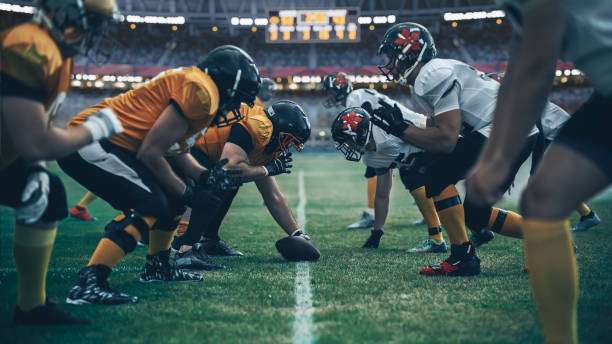
Football gloves not only help maintain their hygiene but also prevent them from wearing out faster due to the buildup of dust, dirt, or sweat. Regular cleaning also helps maintain the elasticity and grip of the material.
Cleaning tips:
Regular cleaning: Depending on usage frequency, gloves should be cleaned weekly or after each training session. Use warm water and mild soap to wash gloves, avoiding strong detergents or bleach, as these chemicals may damage the glove material.
Avoid machine washing: Although some glove materials are machine washable, it’s best to avoid machine washing to extend the gloves’ lifespan. Hand wash and gently rub the gloves to maintain their structure and grip.
Thorough drying: After cleaning, do not expose the gloves to direct sunlight or dry them with hot air. It is best to air-dry them naturally to avoid high temperatures causing the material to deform or become brittle.
Football matches, frequent gripping, diving, and ground contact are the main causes of glove wear. Although gloves are designed with this in mind, prolonged intense contact will accelerate their wear.
How to avoid:
Choose the right material: For defensive positions requiring high friction, choose more durable football gloves. Synthetic materials such as nylon or polyester are generally more durable than natural leather.
Avoid excessive friction: Minimize direct friction between gloves and the ground or other hard objects. If your training involves a lot of ground-based movements, consider wearing additional hand protection gear.
Control training intensity: Appropriately control the intensity of movements during training, avoid overuse of gloves during prolonged high-intensity contact, and reduce glove wear.
Improper storage can cause the glove material to deform or become damaged, thus shortening the glove’s lifespan. Proper storage not only protects the glove’s structure but also maintains its grip and comfort.
Storage tips:
Avoid pressure: When storing gloves, do not place them under heavy objects or squeeze them against other items. It is best to store gloves in a well-ventilated place, avoiding moisture and high temperatures.
Keep dry: When not in use for a long time, you can put a desiccant or newspaper inside the gloves to absorb excess moisture and prevent mold growth.
Regular inspection: During storage, regularly inspect the condition of the gloves to ensure there are no tears, cracks, or wrinkles.
Improper use and wearing are common causes of premature wear and tear on football gloves. Wearing them correctly can effectively slow down wear and tear and maintain their performance.
Wearing tips:
Proper wearing: Each time you put on gloves, make sure they fit properly and completely cover your hands. Avoid gloves that are too loose or too tight. Gloves that are too loose may increase friction, while gloves that are too tight may cause premature deformation.
Avoid wearing gloves during weightlifting exercises: Avoid wearing gloves during non-football activities, such as weightlifting. Excessive non-football activity can damage or wear down gloves.
Regularly inspect gloves for wear and tear to identify potential problems promptly and prevent further damage or compromised performance. Careful inspection and proper maintenance can extend the lifespan of gloves.
Key points for inspection:
Check the gripping surfaces: Inspect the gripping areas of the glove for excessive wear, slippage, or loss of grip. If the gripping parts of the glove are worn, try replacing or repairing them.
Inspect the seams: Check for loose or broken seams to avoid affecting the glove’s structure. If there is any damage, repair it with a needle and thread.
Check the fingers and palms: Pay special attention to the fingers; fingers that are excessively bent or worn need to be replaced or repaired promptly.
High-quality gloves typically use more durable and abrasion-resistant materials to withstand frequent wear and tear. Choosing high-quality gloves that suit your needs can not only improve your performance on the court but also effectively extend the gloves’ lifespan.
Tips for choosing high-quality gloves:
football gloves from well-known brands, as they usually undergo rigorous testing and quality control, resulting in better durability and comfort.
Purchase gloves made of high-end materials: for example, gloves made of advanced synthetic materials or blended leathers, which offer better abrasion resistance and performance, making them suitable for high-intensity competition and training.
Preventing premature wear and tear on football gloves lies in regular cleaning, avoiding excessive friction, proper storage, and correct wearing and use. These methods can effectively extend the lifespan of the gloves, maintain their performance, and ensure optimal protection and grip during matches and training. Choosing high-quality gloves and regularly inspecting and maintaining them will help you maximize their value and ensure they continue to support your athletic performance.
Click to view our products: a selection of durable and comfortable football gloves!

Free delivery in the US region

30 day return policy

7-24 hour response

Support PayPal and Card Payments
No account yet?
Create an Account