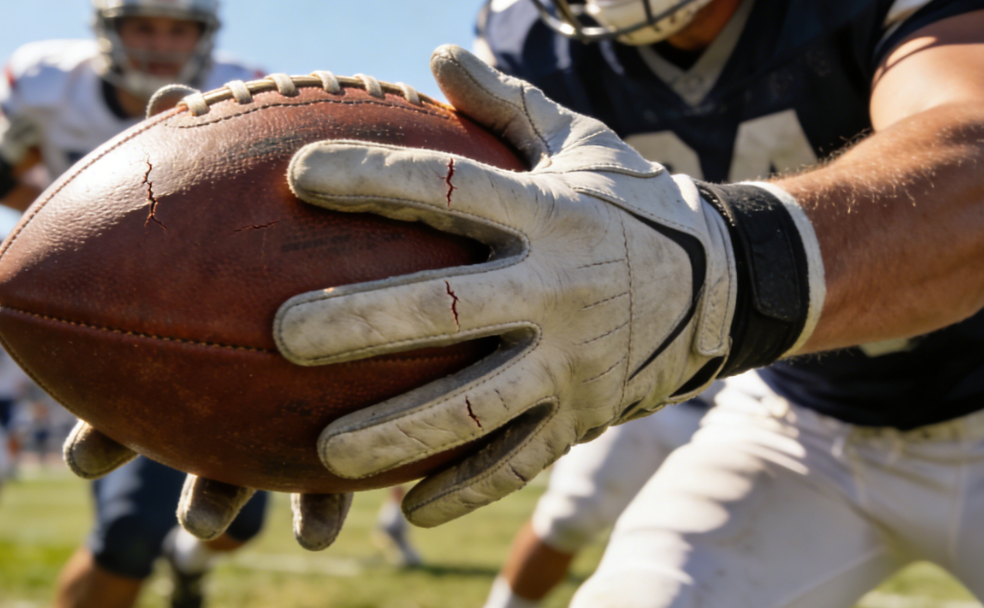
More sticky than other brands
NEW SEASON. FRESH GEAR.
30-day return policy
When choosing sports equipment, durability is often overlooked but is the easiest factor to “make a mistake”.
This is especially true for rugby, a sport with high physical contact, friction, and complex environment. It is not uncommon for a pair of seemingly professional football gloves to peel, come undone, and lose their grip after only a few games.
The problem isn’t that you don’t understand; it’s that durability isn’t an indicator that can be seen at a glance.
This article won’t discuss brands or prices, but rather, from the perspective of the average user, it will break down how to reliably assess the durability of football gloves.
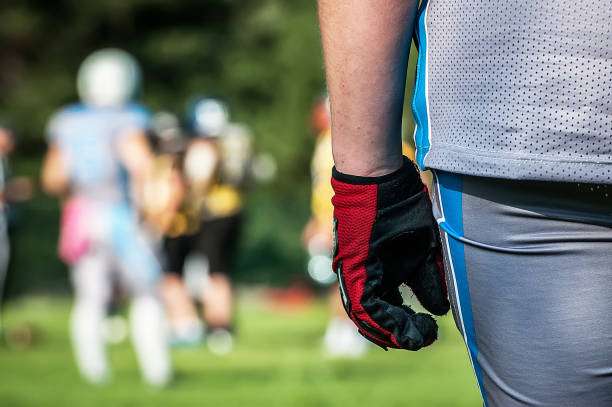
When choosing football gloves, many people’s first reaction is to look at whether they are “sticky“, “good-looking“, and “fit well“, but what really determines the user experience is often durability.
In rugby, players need to repeatedly catch the ball, block opponents, and fall to the ground. Gloves are subjected to pulling, friction, and sweat soaking over a long period of time.
In addition, outdoor games may encounter rain, mud, low or high temperatures. If the glove’s structure or material is not up to standard, the glove itself may be “unusable” before its grip performance has even noticeably declined.
First and foremost, the material structure is more important than thickness.
What truly affects durability is whether the palm material is tear-resistant, whether it uses a composite material instead of a single coating, and whether the elastic material can return to its original shape after stretching. If the palm coating is too thin, it will wear down quickly; if it’s too stiff, it will crack easily. Durable football gloves often strike a balance between softness and strength.
Secondly, pay attention to the stitching and connections. The stitching is where gloves are most likely to break first.
When purchasing gloves, observe whether there is reinforced stitching at the base of the fingers, whether the connection between the palm and back of the hand is multi-segmented, and whether there are any single points of stress. In actual use, most durability issues first appear in the stitching, not the material itself.
The design of the fingers and fingertips is also crucial. The fingertips are where the ball is gripped and where friction occurs most frequently.
Durable gloves usually have reinforced fingertips or a double-layered structure to prevent curling and peeling. Additionally, the finger length should match the actual hand shape. If the fingertips are too long or too short, they will cause extra strain during use, accelerating wear over time.
A good fit is also part of durability.
Too tight, and the material will be constantly under tension, making it prone to fatigue and breakage; too loose, and it will cause slippage and friction when gripping the ball, accelerating wear on the inside. Truly durable football gloves should not feel noticeably tight or loose when the fingers are naturally open and closed.
Finally, there’s environmental adaptability. The lifespan of the same pair of gloves can vary greatly depending on the environment.
More durable gloves are generally less prone to hardening in damp conditions, don’t slip or come unglued after sweating, and don’t easily deform after washing. If a glove only performs well under ideal conditions, its durability is actually compromised.

Many people believe that more expensive gloves are necessarily more durable, but price is only one aspect of the overall experience and does not completely equate to durability.
Some also think that competition gloves are more robust than training gloves; however, competition gloves prioritize performance, while the high frequency of training puts a greater emphasis on durability.
Others believe that gloves breaking is normal wear and tear, but short-term structural damage is often caused by improper selection.
When purchasing online, pay close attention to the product description to see:
A truly durable pair of football gloves usually doesn’t just emphasize “grip.”
How long are football gloves typically considered to last?
This depends on the frequency of use and the environment. With normal training use and a well-designed construction, they should last a season without major issues.
Does a decrease in grip strength mean a glove is less durable?
Not entirely. A decrease in grip strength is a performance issue, while durability refers more to the integrity of the structure.
Can washing extend the lifespan of football gloves?
Proper washing and air drying can indeed help slow down material aging.
Do durable football gloves affect flexibility?
With proper design, no. A truly mature design can balance flexibility and durability.
Do beginners need to pay special attention to durability?
Yes. Beginners’ movements are unstable, which can actually cause more wear and tear on gloves.
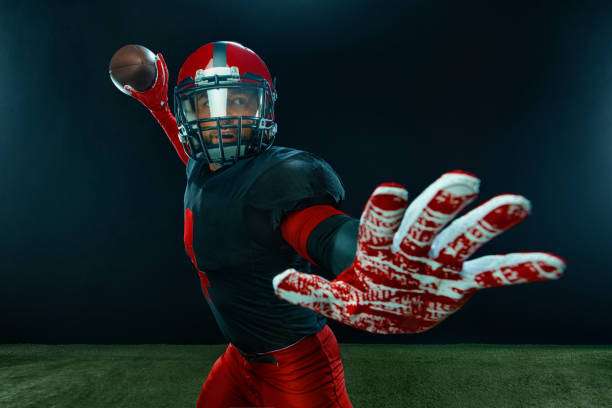
Football gloves are not disposable items. The truly suitable choice should remain stable and reliable through repeated training and intense matches.
Rather than frequent replacements, it’s better to understand the logic behind durability from the outset. If you’re preparing for your next pair of football gloves, consider their durable construction, fit, and the environment in which they will be used.
When purchasing gloves, carefully check the material specifications and structural details, and compare the fit and abrasion resistance design. Make durability the core criterion for choosing football gloves, rather than just appearance or price.

Free delivery in the US region

30 day return policy

7-24 hour response

Support PayPal and Card Payments
No account yet?
Create an Account