More sticky than other brands
NEW SEASON. FRESH GEAR.
30-day return policy
“On the training field, what we fear most is not falling or physical contact, but the equipment we just bought suddenly “breaking down. “
, butMany players have had similar experiences: a pair of football gloves that look pretty good , after wearing them for a few training sessions, the palms start to harden and peel, then small cracks appear, eventually directly affecting their ability to receive the ball.
I experienced this myself—during a training camp before an inter-school sports meet, my touch was slowly coming in, but after a series of catching drills, the palm of my glove started to crack, which completely disrupted my performance.
So here’s the question: why do some football gloves crack so quickly? Is it really just “bad luck”?
is it’sThe answer is: it’s almost never a coincidence.

In rugby, the palm area of a glove is subjected to a triple test: high-frequency friction, strong pulling, and soaking in sweat. If the material selection itself is biased towards “short-term feel,” then cracking is only a matter of time.
Football gloves that are prone to cracking often have the following characteristics:
You may not feel any problems during training, but once you enter high-frequency combat, material fatigue will accumulate rapidly.
” are good andPlayer’s perspective reminder: Football gloves that feel “too fast is good” should be viewed with caution.
Many players overlook the fact that not all football gloves are suitable for the same type of field.
For example:
,If you train on artificial turf for a long time and use football gloves that are designed to resemble natural grass , the friction coefficient between your palms and the ground will increase significantly, and cracks will often appear first at the edges.
prematurely.”During a summer training session, I practiced catching and throwing on artificial turf for three weeks. After that, the base of my gloves became noticeably hard, which is actually the material “aging prematurely”.
.Rugby is a high-intensity sport, and sweating profusely is common. However, the salt in sweat is not good for the material of the palms of football gloves .
Common misconceptions include:
These actions will cause the material to lose its original flexibility, and over time, cracks will naturally appear.
From a player’s perspective, there are often more football gloves that are “washed to a pulp” than those that are simply worn out.
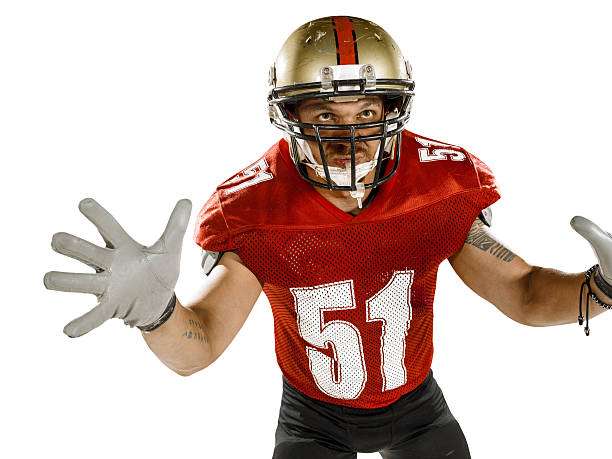
it,”Many people only focus on “whether they can fit into it”, but ignore the fit.
If the football gloves are too small:
Over time, cracks will concentrate at the stress points.
Oversized gloves can cause slippage when gripping the ball, increasing localized friction.
a suitableHere’s a piece of advice: A suitable pair of football gloves should fit snugly but not too tight or too loose when the palm is naturally bent.
Some players jump straight into high-intensity physical competition during the adjustment period, which is a very common problem.
itNew football gloves require an adaptation period, allowing the material to gradually adapt to hand shape and movement habits. If you start with frequent diving and hard hitting to receive the ball, the material’s microstructure won’t have time to adjust, making them more prone to cracking later on.
From a rugby player’s perspective, everyone has different movement habits:
These factors cause the stress points of football gloves to be concentrated in the same area for a long time, naturally leading to cracks appearing earlier.
Most football gloves don’t break suddenly; they’re just a warning sign.
If the frequency or method of use can be adjusted in a timely manner during this stage, the usage period can often be extended.
Q1: Can football gloves still be used if they crack?
If it’s just a slight surface crack, they can still be used during training; however, once it affects grip or feel, it’s not recommended to continue using them during a match.
mismatchedQ2: Why do match gloves wear out more easily?
Many match-type football gloves prioritize immediate grip and are made of softer materials, so their durability is usually not as good as training gloves.
-humidityQ3: Does weather really affect the rate of cracking?
Yes. In high-temperature and high humidity environments, the aging rate of materials is significantly accelerated.
Q4: What is the reasonable lifespan of a pair of football gloves?
It depends on the training frequency. Generally, for players who train at high intensity, the performance of their palms will change significantly after dozens of training sessions.
Q5: Is cracking a quality issue?
Possibly, but more often it’s due to a mismatch between usage and scenario.
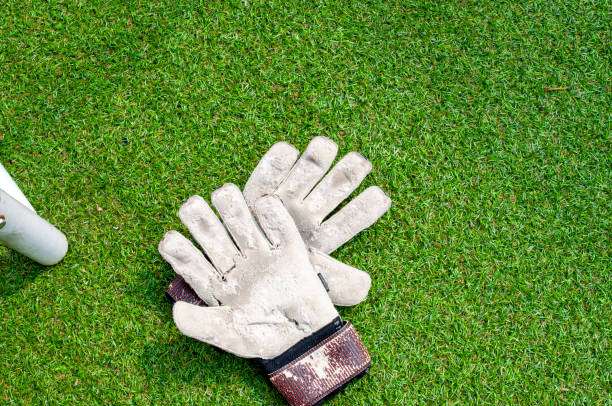
Football gloves are more than just consumables; they directly impact your confidence with the ball. When you start to doubt your ability to receive the ball, your momentum has already been slowed down.
If you find that your gloves are starting to crack frequently, instead of simply replacing them, you should take a look back and see if your training environment, usage methods, and cleaning habits have already “overdrawn” them.
When buying football gloves next time, carefully evaluate your training ground, usage intensity, and daily maintenance methods. Select a pair of football gloves that truly suits your position and training rhythm, rather than just focusing on short-term feel.

Free delivery in the US region

30 day return policy

7-24 hour response

Support PayPal and Card Payments
No account yet?
Create an Account