More sticky than other brands
NEW SEASON. FRESH GEAR.
30-day return policy
When choosing football gloves, many people immediately focus on appearance, brand, or whether they emphasize “strong grip.”
However, after actually wearing them for training or matches, they find that some problems are not due to a lack of technique but rather that the gloves themselves are not suitable.
Among these, the most often overlooked yet most directly affecting factor is the fit of the football gloves.
The fit may seem like just a detail, but it affects the entire usage process, from catching and controlling the ball to hand comfort and fatigue.
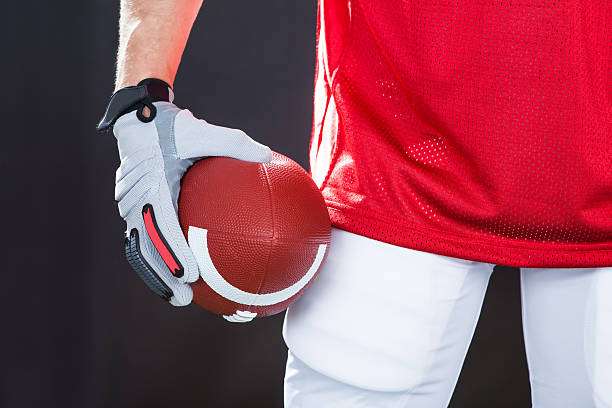
Many people equate fit simply with “whether the size is right,” but in reality, fit is much more than that.
A truly suitable football glove should achieve the following during exercise:
In other words, fit is not a static “wearable,” but a dynamic “keeping up.”
Many people feel something is “not quite right” when using football gloves, but they can’t quite put their finger on why.
In fact, it’s mostly related to the fit.
Football gloves are to enhance ball control.
If the fit is insufficient, there will be a delay in the contact between the fingers and the ball, especially when catching the ball quickly or with one hand, which can easily lead to slippage or mistakes.
Poorly fitting football gloves often have issues such as excess space at the fingertips and a lack of fit between the palm and the glove.
This reduces tactile feedback to the ball, making it feel like you’re operating the ball through a layer of material. Prolonged use of such gloves can significantly impair judgment and reaction time.
During tackles, sprints, and changes of direction, if the football gloves don’t fit properly, they can easily shift and require repeated adjustments.
Once the glove’s position changes, gripping the ball and generating power will be affected.
A poorly fitting football glove forces the hand to constantly adjust its posture to fit the glove, instead of generating power naturally.
Over time, this can lead to fatigue in the fingers, palms, and even forearms.
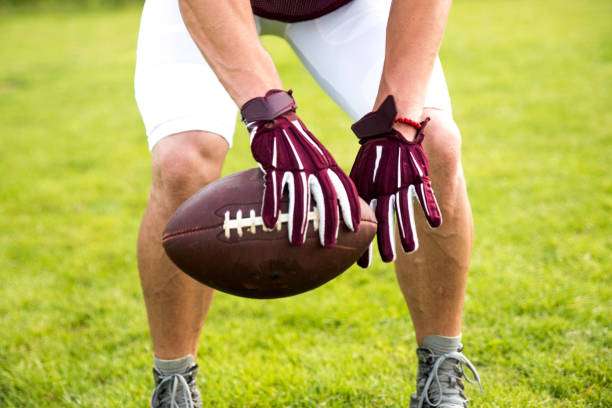
When gloves truly fit, many changes are very noticeable:
find that their movements become smoother after switching to properly fitted football gloves, rather than simply trying to “adapt to the gloves.”
This is a very common misconception.
Even football gloves of the same size, from different brands and with different cuts, can fit completely differently. Factors affecting the fit include:
Therefore, whether football gloves fit well cannot be determined solely by the size label; one must also consider the actual wearing experience.
No special equipment is required; a simple assessment can be made using the following methods:
If these actions can be completed smoothly, it means that the fit of the football gloves is basically acceptable.
Regardless of the stage, a good fit is always a fundamental requirement for football gloves.
Yes. As football gloves are used more, the material will gradually conform to the shape of the hand, and the elasticity will also change.
Therefore, without affecting blood circulation, football gloves that are slightly tight at first are often easier to achieve an ideal fit later.
Q1: Are football gloves better the tighter they are?
No. A good fit emphasizes a snug fit, not compression; gloves that are too tight will affect flexibility.
Q2: Will having slightly longer fingers have an impact?
Yes. Extra space will reduce ball control stability.
Q3: Will the fit affect the lifespan of football gloves?
Yes. Frequent slipping and shifting will accelerate wear and tear.
Q4: Can wristbands compensate for insufficient fit?
They can only alleviate the problem, not solve it at its root.
Q5: Will the fit worsen after sweating?
A well-designed football glove should remain stable even after sweating.
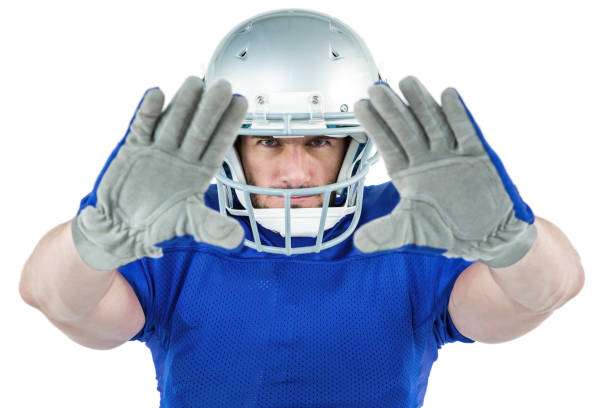
football gloves, many people are easily attracted by the appearance or promotional features, but what truly determines the experience is often the fit, a factor that is most easily overlooked.
If you are choosing football gloves, it is recommended to prioritize the actual fit, finger proportions, and stability during exercise.

Free delivery in the US region

30 day return policy

7-24 hour response

Support PayPal and Card Payments
No account yet?
Create an Account