More sticky than other brands
NEW SEASON. FRESH GEAR.
30-day return policy
Football gloves are not just for protecting your hands; they directly impact various skills such as catching the ball, passing, and defense. Players in different positions have vastly different glove needs: receivers require extremely strong grip, quarterbacks emphasize passing agility, and defensive players prioritize durability and protection. This article will analyze glove usage techniques and selection guidelines for players in different positions from a practical perspective, helping players improve their on-field performance.
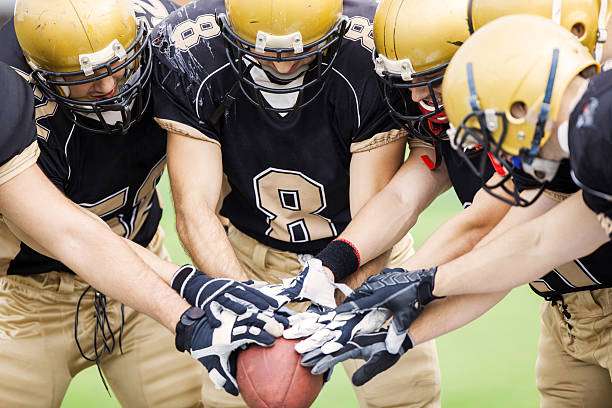
Key points for choosing football gloves
High-tack palm: Ensures a firm grip on the ball even at high speeds and in rainy conditions.
Thin and light back-of-the-hand design: does not affect finger dexterity and ensures smooth passing action.
Anti-slip texture optimization: Micro-particle texture enhances ball feel and reduces the risk of dropping the ball.
Practical skills
Anticipate the receiving position: Using football gloves makes it easier to lock onto the ball when it’s in the air or close to the body.
Practice catching the ball wet: High-end gloves with a nano-coating can improve feel when training in the rain.
Glove cleaning and maintenance: Wash palms with warm water regularly to maintain grip strength.
Tip: Receivers should use match football gloves during games, as the high-tack palm can significantly improve the success rate of catching the ball, while training gloves are more durable and abrasion-resistant.
Key points for choosing gloves
Thin palm design: ensures finger dexterity and accurate passing.
Breathable design: Keeps hands dry when holding the ball for extended periods or passing.
Comfortable fit: Fits snugly against the hand, ensuring optimal ball feel feedback.
Practical skills
Feel training: Quarterbacks often practice passing to get used to the feel of the glove when touching the ball.
Precision passing training: Fine lines on the palm help control spin and trajectory.
Weather adaptation: In rainy or snowy conditions, choose waterproof, high-tack gloves to maintain stable passing.
Tip: Quarterback game football gloves are relatively thin. During training, you can wear slightly thicker gloves to protect your fingers without affecting your gripping motion.
Key points for choosing football gloves
Durable palm design: Suitable for high-intensity actions such as tackling, sliding tackles, and blocking.
Thickened back-of-hand protection: resists impacts and collisions, reducing hand injuries.
Moderate ball grip: Enough to grip the ball, but not aiming for extremely high stickiness.
Practical skills
Tackling and close marking: Durable football gloves last longer in contact with the ground or during physical contact.
Quick ball grip: Optimized glove texture helps to grab the ball instantly or intercept it.
Prioritize protection during training: choose thick gloves to protect your hands during training, and slightly thinner gloves can be used for competition to improve flexibility.
Tip: Durability is more important for defensive players’ football gloves. Moderately high tackiness is sufficient during the game, with the focus on protection and freedom of movement.
Key points for choosing gloves
Lightweight yet with a strong ball grip: stable ball control when quickly holding the ball and getting rid of tackles.
Breathable design on the back of the hand: Keeps hands dry during long-distance running or high-speed sprinting.
Palm anti-slip texture: ensures the ball doesn’t slip out of your hand during fast movements.
Practical skills
Quick ball grip: Running backs use gloves to help stabilize the ball while sprinting.
Hand-to-hand movement training: Thin gloves increase finger sensitivity, which helps in handling tackles and interceptions.
Durability balance: Slightly thicker gloves can be used for training to protect the hands, while thin, highly adhesive gloves are used for competition to ensure flexibility.
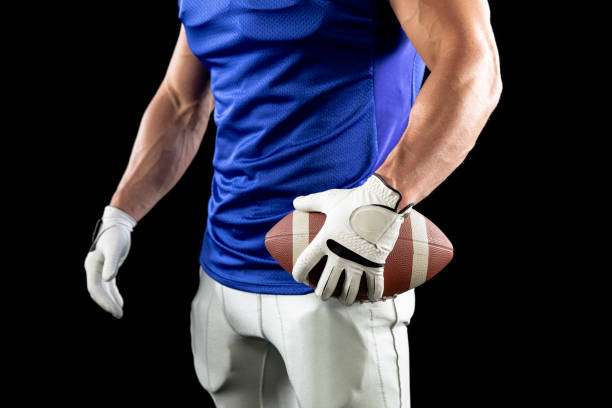
The kicker primarily uses their feet to perform the action, and the glove is mainly used for warmth and light grip.
Breathable and warm football gloves: prevent fingers from stiffening and affecting ball control movements (such as preparing to receive the ball).
Thin, non-slip palm: Provides basic stability when you occasionally need to grip the ball.
Tip: Gloves are mainly used in cold weather, and the key is to keep your fingers flexible.
Clean palms
Wipe with a damp cloth or wash with warm water to maintain grip.
Avoid excessive friction
Do not practice on rough surfaces to avoid abrasions to your palms.
Properly allocate training and competition gloves
Durable training gloves, high-adhesion competition gloves, and extended service life.
Select specialized gloves according to location.
The requirements for gloves vary greatly depending on the position, and choosing the wrong one may affect performance.
Players in different positions have different needs regarding football gloves:
Receiver: Primarily characterized by high stickiness and strong ball grip.
Quarterback: Lightweight, agile, and with precise handling
Defensive players: Durability and protection are priorities
Running forward: Balance between speed and ball control
Kicker: Keep warm as much as possible, and occasionally grip.
Choose the perfect football gloves for your position to make training safer and matches better. Check out our selection of gloves to help you make every catch count.

Free delivery in the US region

30 day return policy

7-24 hour response

Support PayPal and Card Payments
No account yet?
Create an Account