More sticky than other brands
NEW SEASON. FRESH GEAR.
30-day return policy
Football is a sport that emphasizes speed and power, and the ability to hold the ball is crucial in a game. Whether you’re a receiver or a linebacker, having the right pair of football gloves can improve your performance on the field. However, many people often overlook a key factor—the fit of your hand size. Gloves that are too big or too small will affect your grip and hand dexterity. This article will teach you how to scientifically measure your hand size and choose the most suitable football gloves for you.
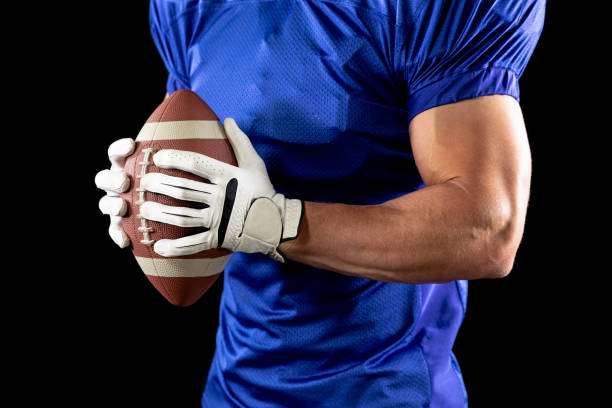
Gloves are not just equipment to protect your hands but also tools to improve your ability to grip the ball. Properly sized gloves can offer the following benefits:
to improve ball control stability, fit snugly against your palm and fingers, allowing you to grip
the ball more firmly and reducing the chance of dropping it.
Increasing flexibility and comfort: Gloves that are too large can leave gaps at the fingertips, affecting the feel; gloves that are too small can restrict hand movement and even cause finger discomfort or poor blood circulation.
to protect hands
during intense collisions, but only if the gloves are the right size; otherwise, their protective effect will be reduced.
Therefore, accurately measuring your hand size is the first step in choosing football gloves and is also key to determining the glove’s performance.
Measuring your palm size is not complicated; all you need is a soft measuring tape and a pen. Keep your palm relaxed and avoid stretching it unnecessarily when measuring.
1. Measure the width of your palm.
Open your palms and stretch them out naturally.
Measure the widest part of the metacarpal bone (between the base of the index and little fingers) with a soft ruler; this is the widest part of the palm.
Record the values; the unit can be centimeters or inches.
Tip: The width of your palm is very important for the fit of gloves, especially the comfort of the fingertips and palm.
2. Measure the length of your palm.
Measure from the bottom of the wrist (at the wrist joint) to the tip of the middle finger.
Keep your palms naturally straight; do not stretch them out intentionally.
Record length data.
The length of your hand directly affects the comfort and dexterity of your fingers when using a glove. Gloves that are too short will squeeze your fingers, while gloves that are too long will affect your grip on the ball.
3. Optional: Measure the length of the middle finger
For players who require a high level of fingertip control, the length of the middle finger can be measured separately.
This allows you to determine if the glove’s fingertips fit properly, making it especially suitable for receivers and skillful players.
Glove sizes vary slightly between different brands; you can generally refer to the following glove size chart:
| Palm circumference (cm) | Hand length (cm) | Recommended glove size | Inch Comparison |
| 17-18 | 18-19 | XS | 6-6.5″ |
| 18-19 | 19-20 | S | 6.5-7″ |
| 19-20 | 20-21 | M | 7-7.5″ |
| 20-21 | 21-22 | L | 7.5-8″ |
| 21-22 | 22-23 | XL | 8-8.5″ |
| 22-23 | 23-24 | XXL | 8.5-9″ |
Note: This is a general reference; different brands may have slight variations. It is best to check the brand’s official size chart or try on the product before purchasing.
Besides hand size, the following aspects should also be considered when choosing gloves:
1. Fit
Football gloves should fit snugly against the palms and fingers but not restrict blood circulation.
A glove that is too loose will cause the ball to slide inside the glove, making it difficult to catch the ball.
2. Material and Elasticity
Some gloves are made of elastic material and can be slightly smaller because the material stretches.
Ensure the gloves remain a good fit after stretching.
3. Fingertip touch sensation
After putting on gloves, make sure your fingertips can touch the ball flexibly without leaving any obvious gaps.
The receiver should pay particular attention to the feel in their fingertips, as the catching motion requires precise control.
4. Brand Differences
Gloves from different brands have different cuts and feels.
Brands like Nike, Under Armour, and Adidas have slightly different sizing systems, so it’s best to refer to the brand’s official guide before purchasing.
Wearing test: Wear gloves and try to simulate catching a ball and clenching a fist.
Ball handling test: If possible, take a football and simulate receiving or passing actions to check for comfort.
Prolonged wear: Wear for 10-15 minutes and observe whether there is any pressure or discomfort in your hand.
Only if all these tests are passed can the gloves be considered truly suitable.
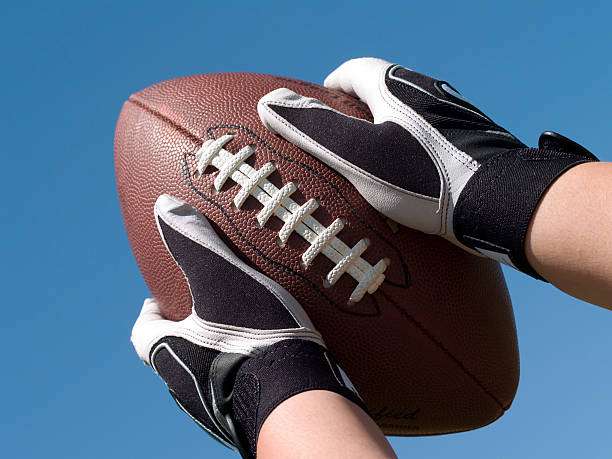
Choosing the right football gloves isn’t complicated, but measuring your hand size is the first and most crucial step. By scientifically measuring your hand width, length, and middle finger length, you can refer to a size chart to select gloves that fit comfortably. Remember:
Gloves should not be too big or too small; a proper fit is crucial.
Pay attention to the feel at your fingertips to ensure a smooth and responsive ball grip.
Choose based on the brand’s size chart and material flexibility.
The right gloves can not only improve your ball-handling ability but also protect your hands, enhance your performance, and make you more confident on the field.
If you want to perform better in your next game, measure your hand size now and choose a pair of football gloves that fit you perfectly! The right gloves will give you a more stable grip on the ball, faster movements, and a more exciting game.

Free delivery in the US region

30 day return policy

7-24 hour response

Support PayPal and Card Payments
No account yet?
Create an Account