More sticky than other brands
NEW SEASON. FRESH GEAR.
30-day return policy
In American football, helmets and shoulder pads are undoubtedly the focus—they are lifesavers, the steel frame on the field. However, if you ask a top receiving quarterback which piece of personal equipment is most crucial to their performance, the answer is likely not a helmet, but rather a pair of football gloves that fit snugly against their hands.
This may sound exaggerated, but believe us: the importance of football gloves has long surpassed their simple protective function. They directly determine a player’s core skill execution efficiency, ball control, and on-field confidence.
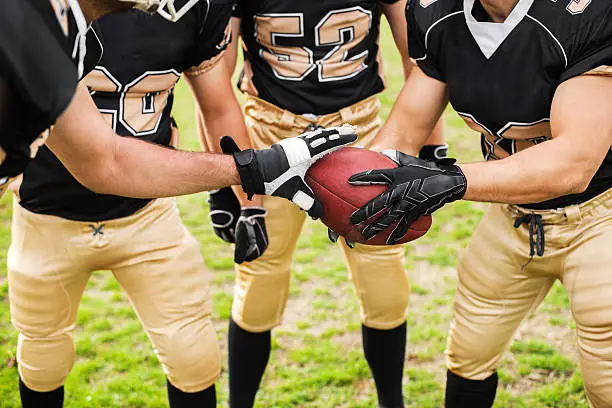
In the world of rugby, possession of the ball is everything. Gloves provide players with an unparalleled grip advantage, which is the primary reason they are considered the “most important piece of personal equipment.”
Modern football gloves use a highly adhesive material in the palm, typically silicone or a composite rubber. This is not ordinary rubber but a sophisticated engineering design.
You can think of it as a kind of magic adhesive: catching the ball with one hand while running at high speed or intercepting a pass while off balance. This extreme stickiness maximizes the friction between the ball and hand, making the player feel as if an invisible magnetic link has formed between them. For receivers and defensive guards who need to perform high-difficulty, low-error-rate moves, it’s practically an extension of their talent.
We all know that wet leather rugby balls are notoriously slippery. Whether on a pitch in torrential rain or in frigid weather where fingers are stiff, gloves provide a consistent and stable grip. The glove material wicks away moisture quickly or provides warmth and insulation, ensuring that a player’s feel for the ball doesn’t falter due to the environment. If weather is the biggest variable in a game, then gloves are the best solution to that variable.
A single slip can lead to a missed touchdown or even the end of a match. The glove not only provides tackiness, but its palm pad material also effectively absorbs the impact of the ball striking the palm. This cushioning increases the contact time between the hand and the ball, reducing the likelihood of the ball slipping from the fingertips and minimizing errors in professional play.
Helmets and shoulder pads provide “baseline protection,” ensuring you can get on the field. Gloves, on the other hand, provide “performance assurance,” determining how you execute tactics and win the game.
For quarterbacks, glove selection is an extremely delicate art. They might wear only one glove (for the ball-handling hand) or opt for an ultra-thin version for maximum precision. This glove can’t just be slip-resistant; it must provide sufficient control without sacrificing the feel of the leather texture and stitching. The accuracy of the pass—the ball’s spin, power, and landing point—depends directly on this delicate touch. The glove is the only medium through which they accomplish this core task of accurate passing.
In the battles of linemen, hand protection is just as important as head protection. Linemen’s gloves typically feature thick padding and finger support strips on the back of the hand and knuckles. The function of these gloves is no longer simply to catch the ball but to absorb the force of every impact, push, and pull, protecting the fingers and joints from injury during intense confrontations. This is essential for them to continue fighting in the trenches.
Competition among top athletes is often a psychological battle. Gloves also provide crucial psychological support:
Anchor of confidence: A reliable, high-grip football glove provides a huge psychological advantage. The receiver knows the ball is theirs, and this confidence allows them to make risky and difficult moves under high pressure and intense competition, focusing entirely on tactical execution rather than worrying about slipping.
Eliminating distractions: Once players become accustomed to the fit and protection of the gloves, they can enter a state of flow. They don’t need to focus on the discomfort caused by coldness, wetness, or friction; the gear becomes an integral part of their body, ensuring focus in crucial moments.
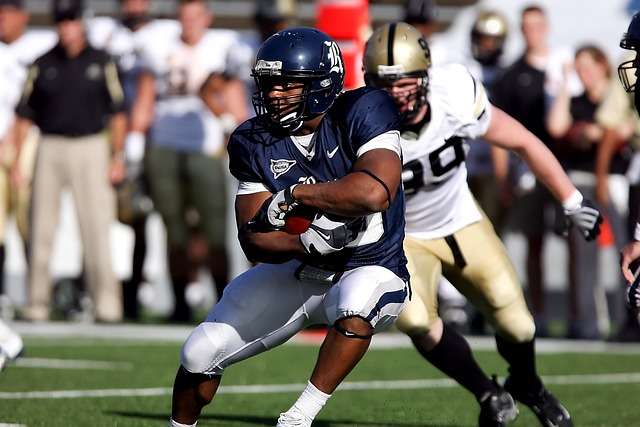
| equipment | Core Functions | Importance description |
| Helmet/Shoulder Pads | Safety and security, protecting lives. | Admission ticket: Ensuring your safe entry onto the field. |
| football gloves | Performance assurance enhances grip and tactical execution. | Winning factors: These determine how you gain possession and win on the field. |
Football gloves are the most direct connection between a player and the ball—the most crucial object in the game. Their function has expanded from simple slip prevention to complex biomechanical engineering, health monitoring, and psychological support. In modern rugby, where efficiency, control, and low error rates are paramount, a high-quality pair of football gloves is no longer just personal equipment; it’s a core competitive advantage for players.
So, how will your next pair of gloves upgrade your game? Which position do you think players rely most on the performance of their gloves? Feel free to share your thoughts in the comments below.

Free delivery in the US region

30 day return policy

7-24 hour response

Support PayPal and Card Payments
No account yet?
Create an Account