More sticky than other brands
NEW SEASON. FRESH GEAR.
30-day return policy
Anyone who’s ever played football knows the feeling: when a quarterback’s precise pass hits your football gloves, the instantaneous impact can leave your wrist numb and even throbbing. Most players focus on keeping the ball sticky, believing that as long as they can hold onto it firmly, everything will be fine.
But we often overlook a crucial health hazard: this repetitive, instantaneous impact is the culprit behind wrist fatigue, chronic pain, and even minor ligament strains. The value of a modern football glove goes far beyond simply keeping the ball glued to your hand. Their built-in shock absorption and support systems are the secret weapons protecting your hand health. If you’re suffering from the shock of catching the ball, it’s time to understand your gear like a pro.
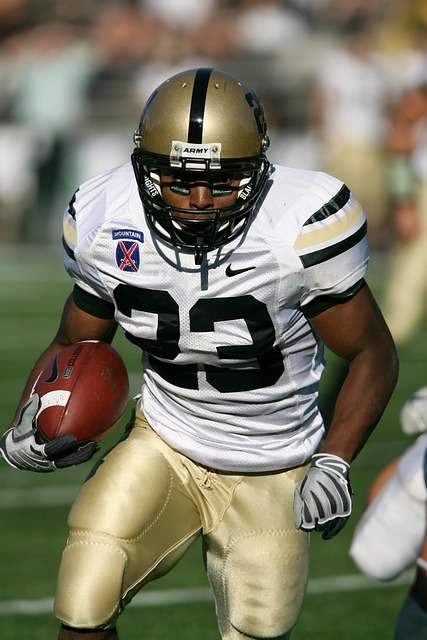
To understand how to defend yourself, you must first understand how the impact is generated. When a high-speed rugby ball strikes your palm, the enormous kinetic energy must be neutralized in a very short time.
Impact path: The energy is first absorbed by the palm, then rapidly conducted through the metacarpals to the complex carpal bone group, and finally reaches the forearm.
Injury pattern: The key to shock absorption in football gloves is preventing the wrist joint from overextending or vibrating violently upon impact. Without sufficient cushioning and support, these high-frequency vibrations and rapid flexion can cause minor trauma to the ligaments and soft tissues of the wrist, which accumulates over time as chronic fatigue injury.
Essentially, the shock absorption principle of football gloves is simple: by embedding cushioning material, it prolongs the time that impact force is applied, thereby reducing the peak impact force your wrist experiences in a very short period of time.
Modern football glove manufacturers typically incorporate shock absorption and support technologies in three key areas during the design process:
The “shock absorber” under the palm is perhaps the most easily overlooked shock-absorbing design. Underneath a highly viscous silicone or rubber coating, there is usually a layer of special cushioning material embedded.
Technology: Many high-end football gloves use thin, high-density EVA foam or a special gel.
Principle: When the ball hits the palm, these materials are compressed instantly, just like a car’s shock absorber, effectively absorbing and dispersing the impact energy, preventing the impact force from being transmitted directly to your bones.
).”Bulletproof vests” for joints and the back of hands (often seen in defensive football gloves ). Although receiving gloves are usually thinner and lighter, defensive gloves provide deeper protection.
Design: The defensive glove uses segmented, semi-rigid padding in the knuckle and back of the hand areas.
Function: These pads were originally designed to protect fingers from being stepped on or struck during scrambles, but they also provide structural support for the hand, helping to distribute the lateral or diagonal impact that may be applied to the finger joints when catching the ball.
The compression liner and the close-fit design inside the vibration-filtering gloves also contribute to the vibration-filtering effect.
Design: The lining of premium football gloves is made of a highly elastic, highly compressible synthetic material.
Function: This lining fits snugly against the skin of the hand, effectively filtering high-frequency vibrations. Imagine vibrations as electrical signals; this lining helps to “silence” those fine tremors that can cause hand nerve fatigue.
Wrist bracing is a lifeline for indirectly reducing impact injuries. It significantly reduces the risk of sprains and hyperextension by improving wrist joint stability.
Extended locking wristband: This is the most common solution. High-end football gloves are typically equipped with an extended, widened Velcro or D-ring locking system. It acts like a small support, tightly wrapping around the wrist joint and limiting excessive backward extension of the wrist when catching the ball.
Compression Wrist Sleeves: Some innovative designs extend the wrist section into a highly compressible sleeve. This is not just a design choice; it integrates the palm and forearm into a more stable, less wobbly unit, providing a similar effect to a sports wristband.
Cartilage cushioning: Some professional gloves even have extra padding at the junction of the wrist and forearm to specifically cushion the impact on the wrist cartilage when catching a ball forcefully or falling.
How can you apply this knowledge to your next football gloves purchase?
A proper fit is essential for protection: Oversized football gloves will misalign the cushioning and support systems, preventing them from functioning correctly where the ball contacts. When purchasing, ensure the gloves fit snugly, especially the wrist strap.
Define your needs: If you are a player who frequently receives the ball, focus on the cushioning material on the palm of the glove and the wrist strap support; if you are a defensive player, then protective padding is your primary consideration.
Additional reinforcement measures: Before wearing football gloves, lightly wrapping the wrist with sports tape for support is a double insurance used by many professional players, which can further improve wrist stability.
Maintaining your performance: Keeping gloves clean is key to maintaining their stickiness and protective properties. Dirt can cause cushioning materials to harden, lose elasticity, and reduce their shock absorption.

A top-of-the-line football glove is the perfect combination of high-performance grip and advanced safety and shock absorption technology. When purchasing, don’t just focus on whether you can catch the ball; pay more attention to the long-term stability and impact absorption it provides to your wrist.
After all, are you willing to sacrifice the long-term health of your wrist just to catch a few more balls?
Next time you choose football gloves, carefully examine the wristband design, palm cushioning, and padding. Share your most trusted shock-absorbing football glove models in the comments so everyone can make smarter gear investments!

Free delivery in the US region

30 day return policy

7-24 hour response

Support PayPal and Card Payments
No account yet?
Create an Account